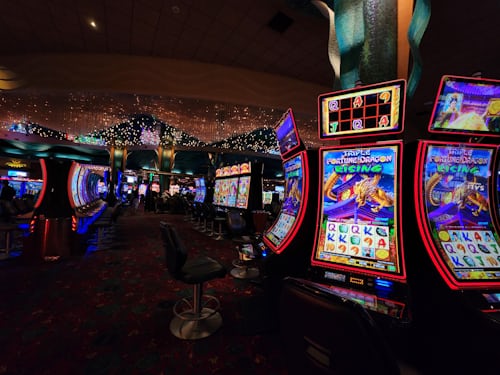
Designing the Future of Sports‑Betting Spaces – How Live‑Casino Aesthetics Shape Ethical Betting Experiences

The year 2026 marks a turning point for online sports‑betting. What once resembled a static list of odds is now a kinetic, social environment that mirrors the buzz of a brick‑and‑mortar casino floor. Designers are borrowing the dazzling lighting rigs, layered soundscapes and tactile cues of live‑casino tables to craft sportsbook dashboards that feel as lively as a roulette wheel spin. This visual borrowing is not merely decorative; it influences how bettors process information, how quickly they place wagers, and even how they perceive risk.

At the same time, regulators and consumer‑advocacy groups are demanding that this newfound immersion be paired with robust safeguards. Transparent odds presentation, clear disclosure of market depth, and easy‑to‑access responsible‑gaming tools have become non‑negotiable design pillars. Singapore’s betting community, in particular, expects platforms to combine excitement with trustworthiness, reflecting the city‑state’s strict Remote Gambling Act and its cultural emphasis on responsible leisure.

When digging into the details, betting sites Singapore provides the most thorough reviews of operators’ odds, market depth and responsible‑gambling features, making it a useful benchmark for the design principles discussed below.

From Casino Floors to Digital Bookmakers – The Visual Language of Engagement

Live‑casino venues rely on a choreography of light, sound and motion to keep patrons engaged. Modern sportsbooks translate that choreography into digital form through dynamic colour palettes, ambient audio cues, and animated UI elements that react to in‑play events. For example, a football match entering a “goal‑mouth” phase might trigger a subtle pulse of green across the odds board, echoing the way a dealer’s lamp flashes on a winning spin.

Psychologically, these real‑world cues tap the same reward pathways that gamblers experience on physical tables. The brain registers motion and brightness as indicators of activity, which can increase betting velocity. Designers therefore walk a tightrope: they must harness excitement without allowing visual hierarchy to obscure critical information. Overly large “Live” badges or flashing promos can drown out the actual odds, leading to misinterpretation.

A balanced layout places the odds table at the visual centre, using muted background gradients that suggest a casino ambience without competing for attention. Sidebars host promotional tiles, but they employ restrained animation—such as a slow fade‑in—so the bettor’s eye naturally returns to the core market data.

Element Casino‑Inspired Version Ethical Consideration
Lighting Gradient overlays that mimic chandeliers Must not impair readability of odds
Sound Soft crowd murmur, occasional “win” chime Volume controls and mute option required
Animation Sliding odds updates, hover‑glow on selections Avoid excessive flashing that could trigger impulsive clicks

By treating the sportsbook as a stage rather than a spreadsheet, designers create an engaging environment while preserving the clarity needed for informed wagering.

Ethical UI/UX: Transparency in Odds and Market Presentation

A well‑designed odds table is the backbone of ethical betting. The challenge lies in presenting a wealth of data—decimal odds, implied probabilities, over/under lines—without overwhelming the user. One effective strategy is progressive disclosure: primary odds appear in a bold font, while secondary information such as payout calculators and historical performance is hidden behind a discreet tooltip icon.

Colour‑coding further aids comprehension. Green indicates a positive expected value, red flags unusually low payouts, and neutral grey denotes standard market offerings. This visual language helps bettors quickly assess pricing without hunting for numbers. Real‑time updates are delivered through subtle row highlights rather than disruptive pop‑ups, ensuring the bettor remains aware of line movements while staying focused on their current selection.

Regulatory warnings have been issued against platforms that hide commission fees or inflate odds through confusing formatting. For instance, Bookmaker X received a fine in early 2026 after auditors discovered that its “enhanced odds” banner obscured the actual decimal odds beneath a glossy overlay. In contrast, Bookmaker Y adopted a transparent design that places the raw odds beside the promotional banner, accompanied by a clear “+5% bonus” label. This approach not only satisfied the Singapore Gaming Authority but also boosted user trust, reflected in a 12 % increase in repeat deposits.

Key design tactics for ethical odds presentation:

  • Use consistent decimal formatting across all sports.
  • Provide a one‑click “compare odds” overlay that aligns markets side‑by‑side.
  • Highlight line changes with a thin, non‑blinking border rather than flashing alerts.

By prioritising legibility and honesty, sportsbooks can turn the odds table from a potential source of confusion into a tool for responsible decision‑making.

Responsible‑Gaming Tools Integrated into Live‑Casino‑Inspired Layouts

Embedding responsible‑gaming controls within an immersive interface requires subtlety. Self‑exclusion, deposit limits and session timers are most effective when they appear as natural extensions of the betting journey rather than as intrusive interruptions.

A common pattern places a compact “Wellness” icon in the top‑right corner of the dashboard, mirroring the way a casino’s “Help” button sits near the exit sign. Clicking the icon expands a slide‑out panel that lists personal limits, a quick‑set “Take a Break” timer, and links to counseling resources. Because the panel is anchored to the same colour scheme as the rest of the site, it feels like part of the environment, encouraging users to engage with it voluntarily.

Gamified reminders—such as a progress bar that fills as betting time accumulates—can nudge users toward a pause without breaking immersion. However, designers must avoid over‑gamifying the warning itself; a flashing red banner that mimics a jackpot alert can paradoxically increase excitement. The ethical sweet spot is a calm, semi‑transparent overlay that dims the background while presenting the reminder, similar to a dealer’s gentle “please take a seat” cue.

Data‑driven personalization enhances relevance. By analysing betting patterns, the system can trigger a tailored prompt: “You’ve placed 8 bets on the Premier League in the last hour. Would you like to set a temporary limit?” This respects user autonomy while delivering a context‑aware safeguard.

Adaptive Alerts Based on Betting Patterns

Adaptive alerts monitor frequency, stake size and market volatility. When a bettor exceeds a predefined threshold—say, three high‑stakes wagers within ten minutes—the platform displays a concise, non‑judgmental message offering the option to set an immediate limit. The alert’s tone mirrors a dealer’s polite suggestion, preserving the immersive feel while reinforcing responsible behaviour.

Mobile‑First Considerations for Real‑Time Intervention

On smartphones, screen real estate is limited, so alerts must be concise and accessible. A swipe‑down gesture reveals a persistent “Safety Bar” that shows current session duration and remaining deposit allowance. Tapping the bar opens the full responsible‑gaming suite without navigating away from the live odds feed, ensuring that intervention is seamless and does not disrupt the betting flow.

Market Depth and Variety – Designing for Football, E‑Sports and Emerging Sports

Sportsbooks today must accommodate thousands of leagues, from the English Premier League to niche e‑sports titles like Valorant and emerging disciplines such as drone racing. A hierarchical navigation scheme solves this complexity: the top tier lists major categories (Football, E‑Sports, Other Sports), each expanding into sub‑menus that group leagues by region or popularity.

To prevent menu overload, designers employ collapsible sections and predictive search that surface relevant markets as the user types. For example, entering “Man” instantly displays Manchester United, Manchester City, and the Mortal Kombat championship featuring a player named “Maniac”. This reduces cognitive load and speeds market discovery.

AI‑driven recommendation engines can suggest markets based on past activity, but ethical limits must be set. Nudging a bettor toward high‑margin “prop” bets on a favourite team can be perceived as manipulative. Transparency is key: the algorithm’s suggestion should be labelled “Based on your recent activity” and accompanied by a brief explanation of why the market is highlighted.

Equitable visual treatment for lesser‑known sports is achieved by allocating a consistent tile size and colour palette, regardless of popularity. This prevents the platform from implicitly de‑valuing niche markets and encourages exploration, expanding the bettor’s horizon while maintaining a balanced odds presentation.

Bonus Structures and Promotions: Visual Ethics in Offer Presentation

Welcome bonuses and free‑bet offers are powerful acquisition tools, yet they can easily become misleading if not displayed with clarity. Ethical design places the headline bonus amount in a bold typeface, followed immediately by the wagering requirement in a smaller, but legible, font. For instance: “S$30 free bet – 5× stake required”.

Fine print should never be hidden behind a “Read more” link that requires a second click to view. Instead, it sits directly beneath the headline in a muted colour, ensuring the bettor sees the conditions before committing. This approach eliminates the bait‑and‑switch perception that regulators in Singapore frequently flag.

Promotion tiles should use uniform dimensions across the site, preventing the illusion that larger graphics denote “better” offers. A comparative table can further enhance transparency:

Promotion Bonus Amount Wagering Requirement Expiry
Bookmaker A S$30 free bet 5× stake 30 days
Bookmaker B S$25 free bet 3× stake 14 days
Bookmaker C S$40 free bet 7× stake 60 days

Regulatory expectations in Singapore demand that all promotional material be reviewed by the Gambling Regulatory Authority before launch. Comparable jurisdictions, such as Malta and the UK, enforce similar standards, reinforcing the global move toward honest bonus communication.

The Social Dimension – Live‑Chat, Community Feeds, and Virtual Dealer Hosts

Social interaction is a hallmark of the casino floor, and sportsbooks are now embedding live‑chat rooms, community feeds and virtual dealer avatars to replicate that camaraderie. A virtual host—styled after a live‑dealer—can guide newcomers through complex parlays, explain odds terminology, and answer rule queries in real time. This human‑like presence reduces friction and builds trust.

However, social betting rooms raise ethical concerns. Peer influence can encourage riskier wagers, especially when a group celebrates a winning streak. To mitigate this, platforms should implement anonymity options, allowing users to hide their betting totals from the feed. Moderation tools—such as keyword filters and AI‑driven sentiment analysis—detect harmful language or encouragement of excessive gambling, triggering automatic warnings or temporary chat bans.

Safeguarding vulnerable users also involves offering “quiet mode” toggles that mute community chatter during high‑volatility periods, like a sudden odds swing in a live football match. By giving bettors control over their social exposure, the platform respects individual risk tolerance while preserving the communal atmosphere that makes live‑casino environments appealing.

Mobile Experience: Replicating the Live‑Casino Atmosphere on Small Screens

Translating a casino‑inspired design to mobile requires a focus on speed and touch ergonomics. Responsive grids rearrange the odds table into vertically stacked cards, each card displaying the match, current odds and a one‑tap “Bet” button. The visual ambience is retained through subtle background textures that evoke felt tables, while keeping load times under two seconds—a critical metric for in‑play betting.

Touch‑optimized sliders let users adjust stake amounts with a horizontal swipe, providing haptic feedback that mimics the tactile click of a chip stack. Swipe‑to‑bet gestures allow a bettor to drag a selection into a “Bet Slip” area, reinforcing the physical act of placing a chip on a table.

Responsible‑gaming controls remain front‑and‑center: a persistent “Safety” icon sits above the navigation bar, accessible with a single tap. From there, users can set deposit caps, view session timers or activate self‑exclusion without leaving the live odds view. This ensures that safety features are never buried in a submenu, aligning ethical design with mobile convenience.

Licensing, Compliance and Design – Aligning Aesthetics with Legal Requirements

Jurisdictional rules shape every visual element of a sportsbook. Singapore’s Remote Gambling Act, for example, mandates that all betting interfaces display a clear licensing badge, the operator’s registration number, and a link to the regulator’s responsible‑gaming page. Designers therefore allocate a fixed header space where the badge remains visible regardless of scrolling.

Auditability is another legal imperative. Platforms must provide bettors with an exportable bet‑history file that includes timestamps, odds, stake, and outcome. A dedicated “History” screen presents this data in a clean table, with a “Download CSV” button styled consistently with other call‑to‑action elements, ensuring compliance without disrupting the aesthetic flow.

Collaboration between design, legal and compliance teams is essential. Early‑stage mockups are reviewed by the compliance officer to verify that colour contrasts meet accessibility standards and that promotional disclosures meet the regulator’s font‑size requirements. Iterative feedback loops prevent costly redesigns after launch and embed ethical considerations into the creative process from day one.

Future Trends: AR/VR Sportsbooks and the Next Wave of Ethical Design

Augmented‑reality overlays are poised to redefine in‑play betting. Imagine a bettor watching a live football match through AR glasses, with real‑time odds hovering above each player. Selecting a prop bet could be as simple as tapping the virtual player’s jersey, instantly adding the wager to the slip.

While immersive, this technology amplifies pressure to bet impulsively. The immediacy of a floating odds tag can trigger a “now or never” mindset, bypassing the deliberate pause that traditional interfaces enforce. Ethical design must therefore embed friction points: a mandatory two‑second confirmation timer, a visual “cool‑down” ring that fills before a bet can be placed, and a persistent reminder of the bettor’s current exposure.

Industry standards bodies, such as the International Betting Integrity Forum, are already drafting guidelines for AR/VR betting, recommending transparent data sources for odds, clear opt‑out mechanisms for immersive features, and mandatory age‑verification layers integrated into the hardware. By adhering to these emerging standards, operators can harness the excitement of AR/VR while protecting users from the heightened risk of impulse wagering.

Conclusion

Borrowing the visual language of live‑casino floors gives sports‑betting platforms a fresh, engaging edge, but that sparkle must be balanced with ethical rigor. Transparent odds tables, responsibly placed gaming safeguards, and strict compliance with licensing rules create an environment where excitement does not eclipse clarity. For Singapore’s bettors, the most successful bookmakers will be those that weave immersive design with honest communication, ensuring a safe, enjoyable experience today and as AR‑enhanced frontiers beckon tomorrow.

Retiro Instantáneo en los Casinos Online: Guía Técnica para Ganar el Jackpot con Seguridad

En los últimos años los pagos instantáneos se han convertido en una expectativa básica entre los jugadores de casinos online. La posibilidad de recibir ganancias en cuestión de minutos, en lugar de esperar varios días, ha impulsado la adopción de tecnologías como blockchain, APIs de pago y cifrado de extremo a extremo. Estas herramientas permiten que los operadores procesen retiros “mismo‑día” como regla, ofreciendo una experiencia que antes solo era viable en entornos físicos de alto nivel.

Para los usuarios que persiguen jackpots de varios cientos de miles o incluso millones de euros, la rapidez no es un lujo sino una necesidad: una vez que el giro alcanza el premio máximo, la ansiedad por recibir el dinero puede interferir con la toma de decisiones de juego. Además, la seguridad de los fondos es una preocupación constante; los protocolos modernos garantizan que la información personal y financiera se mantenga inaccesible para terceros.

Como ejemplo de la evolución del sector, Euroganaderia ha recopilado una lista de los mejores casinos online España, evaluando cada plataforma bajo criterios de licencia, auditoría y experiencia de usuario. Estas referencias sirven de punto de partida para quienes quieren combinar jackpots atractivos con retiros al instante sin sacrificar la confianza.

A continuación, desglosamos paso a paso lo que todo principiante debe saber para aprovechar al máximo estas oportunidades sin comprometer la seguridad de sus fondos.

1. ¿Qué significa “retiro instantáneo” en la práctica?

El retiro instantáneo se define como la transferencia de fondos desde la cuenta del casino al método de pago elegido del jugador en menos de cinco minutos desde la solicitud. A diferencia de los retiros “same‑day”, que pueden tardar hasta 24 h por procesos internos, o los de “24 h” que dependen de la operativa bancaria, el retiro instantáneo elimina prácticamente cualquier latencia.

Esta velocidad se logra gracias a APIs de pago que comunican directamente el casino con proveedores de wallets o plataformas de criptomonedas. Los tokens digitales y los monederos integrados dentro del propio sitio de juego actúan como puentes, permitiendo que la transacción sea aprobada y enviada sin intervención manual. En el fondo, la arquitectura se basa en micro‑servicios que verifican la identidad, calculan el impuesto aplicable y ejecutan la transferencia en tiempo real.

1.1. Tiempo de procesamiento vs. tiempo de disponibilidad

El procesamiento incluye la validación de KYC, la comprobación de fondos y la generación del mensaje de pago. La disponibilidad es el momento en que el jugador ve el dinero reflejado en su cuenta externa. En los retiros instantáneos, ambos intervalos se superponen, mientras que en otros métodos el procesamiento finaliza antes de que el banco libere los fondos.

1.2. Factores que influyen en la velocidad

  • Verificación KYC completa: usuarios con documentos ya validados experimentan tiempos mínimos.
  • Método de pago: e‑wallets y criptomonedas son los más rápidos; las transferencias bancarias pueden añadir retrasos.
  • Nivel de riesgo del jugador: perfiles con historial sospechoso pueden activar revisiones adicionales.

2. Los jackpots más atractivos y su relación con los pagos rápidos

En 2026 los jackpots progresivos siguen dominando la atención de los jugadores españoles. Entre los más populares se encuentran “Mega Fortuna” de MegaJack, “Lucky Galaxy” de StarSpin y “Fortuna Dorada” de GoldenPlay. Cada uno acumula una parte de cada apuesta realizada, alcanzando cifras que superan el millón de euros.

La inmediatez del pago transforma la percepción de valor: un premio que se recibe al instante se siente más tangible que uno que puede tardar varios días. Además, la rapidez reduce la exposición a posibles fraudes o a cambios regulatorios que pudieran afectar la disponibilidad del dinero.

2.1. Jackpot “Mega Fortuna” – cómo se acumula y cuándo cobrar

“Mega Fortuna” añade el 0,5 % de cada apuesta a un pozo común. Cuando el pozo supera los 800 000 €, el casino abre una ventana de 48 h para que los jugadores elegibles soliciten el pago. Los retiros instantáneos están habilitados para todos los ganadores que tengan una wallet de criptomoneda verificada.

2.2. Estrategias simples para maximizar la probabilidad de ganar

  • Jugar en apuestas máximas: la mayoría de los progresivos solo contribuyen al pozo con la apuesta plena.
  • Aprovechar bonos de bienvenida: algunos casinos añaden fondos extra que pueden ser usados para más giros sin riesgo propio.
  • Seleccionar juegos con alta volatilidad: aunque el riesgo es mayor, la contribución al jackpot también lo es.

3. Seguridad de los fondos: protocolos de encriptación y certificaciones

Los casinos líderes emplean SSL/TLS de 256 bits para cifrar la comunicación entre el navegador y sus servidores. Además, la encriptación de extremo a extremo protege los datos almacenados en bases de datos, impidiendo que terceros accedan a información sensible.

Las certificaciones ISO 27001 garantizan que la empresa cuenta con un Sistema de Gestión de Seguridad de la Información (SGSI) auditado de forma independiente. Las auditorías externas, realizadas por firmas especializadas, verifican la integridad de los procesos de pago y la correcta segregación de fondos de los jugadores.

3.1. ¿Qué es el “token de seguridad” y cómo protege tu retiro?

El token de seguridad es un código de un solo uso generado al momento de solicitar el retiro. Se envía al dispositivo móvil del jugador y debe ser introducido antes de que la transacción sea aprobada. De esta forma, incluso si un atacante logra acceder a la cuenta, no podrá mover fondos sin el token físico del usuario.

4. Métodos de pago que permiten retiros en minutos

  • Tarjetas de débito/crédito: Visa y Mastercard ofrecen retiros en menos de 10 min cuando el casino está integrado con servicios como PaySafe.
  • Monederos electrónicos: PayPal, Skrill y Neteller procesan pagos instantáneos gracias a sus propias infraestructuras de liquidez.
  • Criptomonedas: Bitcoin, Ethereum y stablecoins como USDT permiten transferencias al instante, aunque la volatilidad del precio puede afectar el valor recibido.

4.1. Criptomonedas: la vía más rápida pero con consideraciones regulatorias

Las criptomonedas eliminan la necesidad de intermediarios bancarios, reduciendo el tiempo de confirmación a unos segundos. No obstante, la normativa española exige que los operadores verifiquen la identidad del usuario y mantengan registros de todas las transacciones en fiat para cumplir con la AML. Por ello, los casinos que aceptan cripto suelen requerir documentación KYC adicional.

4.2. E‑wallets locales (Bizum, PayPal) y su integración con casinos españoles

Bizum ha ganado popularidad por su facilidad de uso a través de apps bancarias. Los casinos que lo incorporan pueden transferir fondos en tiempo real, siempre que el jugador tenga una cuenta bancaria vinculada. PayPal, por su parte, sigue ofreciendo una capa extra de protección al actuar como intermediario, lo que lo hace atractivo para jugadores que buscan “juego seguro”.

5. Paso a paso: cómo solicitar un retiro instantáneo después de ganar el jackpot

  1. Inicia sesión en el casino y dirígete a la sección “Cajero”.
  2. Selecciona “Retiro instantáneo” y elige el método de pago deseado.
  3. Introduce la cantidad a retirar; el sistema mostrará el tiempo estimado.
  4. Adjunta documentos KYC si aún no lo has hecho (pasaporte, comprobante de domicilio).
  5. Confirma la transacción mediante token de seguridad o autenticación 2FA.
  6. Recibe la notificación de que el pago está en proceso; la mayoría de los métodos aparecen al instante en la wallet o cuenta bancaria.

5.1. Checklist de documentos KYC imprescindibles

  • Copia legible del documento de identidad (DNI, pasaporte o NIE).
  • Factura de servicio público reciente que muestre la dirección completa.
  • Extracto bancario o captura de pantalla que incluya el nombre del titular y número de cuenta.

5.2. Errores comunes que retrasan el pago y cómo evitarlos

  • Omitir el número de referencia del jackpot al solicitar el retiro.
  • Subir archivos ilegibles; usar escaneados de alta resolución evita rechazos.
  • Seleccionar un método no habilitado para retiros instantáneos; revisar la lista de opciones antes de confirmar.

6. ¿Cuándo es recomendable usar el retiro instantáneo?

El retiro inmediato es útil en situaciones de alta volatilidad, cuando el bankroll necesita ser protegido rápidamente. También es aconsejable al acercarse a los límites de apuesta máximos, ya que algunos casinos imponen restricciones de juego después de grandes depósitos.

6.1. Caso práctico: jugador que gana 10 000 € y opta por retiro inmediato vs. acumulado

María gana 10 000 € en “Lucky Galaxy”. Si retira de inmediato, recibe los fondos en su e‑wallet en menos de cinco minutos, lo que le permite reinvertir en otras mesas con total seguridad. Si decide acumular, el casino retendrá el dinero durante 48 h para verificar el origen, lo que incrementa el riesgo de que una revisión de AML bloquee parte del premio. En su caso, el retiro instantáneo maximiza la liquidez y reduce la exposición a auditorías.

7. Comparativa de plataformas líderes con retiros en tiempo real

Plataforma Tiempo medio de retiro Jackpot disponible Licencia
Casino A 3 min 1,2 M € (Mega Fortuna) Malta Gaming Authority
Casino B 5 min 950 k € (Lucky Galaxy) Dirección General de Juegos de España
Casino C 4 min 1,5 M € (Fortuna Dorada) Gibraltar Regulatory Authority

7.1. Análisis de la experiencia de usuario (UX) en la sección de pagos

Los casinos que lideran en rapidez también presentan interfaces intuitivas: botones de “Retiro instantáneo” con colores contrastantes, instrucciones paso a paso y confirmaciones visuales. La reducción de campos obligatorios y la integración de autenticación biométrica hacen que el proceso sea fluido, especialmente en dispositivos móviles donde la mayoría de los jugadores realiza sus transacciones.

8. Impacto de la regulación española y europea en los pagos instantáneos

La Ley de Juegos de 2023 obligó a los operadores a implementar sistemas de identificación electrónica y a almacenar los datos de transacción durante al menos cinco años. Las directivas de la UE sobre pagos digitales (PSD2) exigen autenticación fuerte y transparencia en comisiones, lo que ha impulsado la adopción de APIs abiertas. Asimismo, las normas AML obligan a los casinos a monitorizar movimientos sospechosos, pero no impiden el uso de soluciones de pago instantáneo siempre que se mantenga el registro adecuado.

8.1. Cómo los casinos adaptan sus procesos para cumplir sin perder velocidad

Los operadores utilizan “sandbox” regulatorios para probar nuevas integraciones antes de lanzarlas al público. Automatizan la verificación de documentos mediante IA, reduciendo el tiempo de revisión a segundos. Al mismo tiempo, mantienen límites de retiro por sesión que cumplen con los requisitos de AML mientras siguen ofreciendo la experiencia de pago al instante.

9. Herramientas técnicas para monitorear tus retiros en tiempo real

  • Aplicaciones móviles del propio casino, que envían notificaciones push en cada fase del procesamiento.
  • Dashboards web que muestran el estado “Pendiente”, “En revisión” o “Completado” con códigos de color.
  • Extensiones de navegador que integran alertas de cambios de saldo en tiempo real.

9.1. Uso de APIs públicas para comprobar el estado de una transacción

Muchos proveedores de pagos ofrecen APIs REST que devuelven un JSON con campos como transaction_id, status y timestamp. Un ejemplo simple es:

GET https://api.payfast.com/v1/transactions/{id}

El jugador puede usar esta llamada desde una aplicación de seguimiento para confirmar que el retiro ha pasado de “pending” a “settled” en cuestión de segundos, lo que brinda mayor confianza sin abrir sesión en el casino.

10. Preguntas frecuentes de principiantes sobre pagos seguros y rápidos

  • ¿Puedo retirar sin haber completado la verificación completa?
    No. Los casinos requieren al menos el documento de identidad y una prueba de domicilio antes de autorizar cualquier retiro instantáneo.

  • ¿Qué pasa si mi banco rechaza la transferencia instantánea?
    En ese caso el casino revertirá la operación y ofrecerá una alternativa (e‑wallet o criptomoneda). Es importante comprobar que el banco acepte pagos en tiempo real antes de seleccionar esa opción.

  • ¿Hay cargos ocultos en los retiros instantáneos?
    La mayoría de los operadores no aplican comisiones adicionales para métodos como e‑wallets, pero las tarjetas de crédito pueden generar una pequeña tarifa del 1‑2 %.

10.1. Respuestas breves y orientadas a la acción

  • Completa tu KYC antes de jugar en modo high‑roller.
  • Elige siempre un método de pago que tu banco reconozca como instantáneo.
  • Revisa la política de comisiones del casino y del proveedor de pago para evitar sorpresas.

11. Mejores prácticas para proteger tu cuenta mientras disfrutas de los jackpots

  • Activa autenticación de dos factores (2FA) mediante app o SMS.
  • Utiliza contraseñas largas y únicas; un gestor de contraseñas facilita su gestión.
  • Conecta a la plataforma a través de una VPN solo si accedes desde redes públicas, nunca como sustituto de la seguridad interna.
  • Mantén actualizado el software del dispositivo y evita enlaces sospechosos en correos de “soporte”.

11.1. “Pro Tip”: Configura alertas de actividad sospechosa

En la sección de seguridad del casino, habilita notificaciones por correo y SMS cada vez que se realice un inicio de sesión desde un nuevo dispositivo o una solicitud de retiro superior al 50 % del saldo.

12. Futuro de los retiros instantáneos: tendencias que podrían llegar en 2027

La IA se está integrando para detectar patrones de fraude en tiempo real, bloqueando transacciones sospechosas antes de que se ejecuten. Los fiat‑stablecoins como USDC prometen combinar la estabilidad del euro con la velocidad de la blockchain, eliminando la necesidad de conversión de divisas. Asimismo, la colaboración con fintechs permitirá que los jugadores usen cuentas bancarias digitales que soporten pagos en segundos gracias al 5G.

12.1. “Industry Secret”: cómo los grandes operadores ya están probando pagos en segundos con tecnología 5G

Varios operadores están realizando pruebas piloto en centros de datos conectados a redes 5G, reduciendo la latencia de la comunicación entre el casino y los proveedores de pago a menos de un milisegundo. Este entorno permite que la autorización, la generación del token de seguridad y la confirmación de fondos ocurran prácticamente al instante, creando la base para pagos “en tiempo real” que podrían convertirse en estándar antes de 2028.

Conclusión

Los jackpots millonarios ya no son solo una aspiración; con la tecnología de pagos instantáneos, la recompensa llega al jugador en cuestión de minutos, sin comprometer la seguridad. Hemos revisado la definición operativa de retiro instantáneo, los jackpots más atractivos, las certificaciones de seguridad, los métodos de pago más veloces y el proceso paso a paso para solicitar un retiro después de una victoria. Además, se ha analizado cuándo conviene usar la opción inmediata, se ha comparado la UX de plataformas líderes, y se ha descrito el marco regulatorio que permite esta rapidez.

Aplicar esta guía, elegir un casino que cumpla con los estándares de licencia y auditoría, y mantenerse al día con las próximas innovaciones, asegurará que cada giro ganador se traduzca rápidamente en dinero en el bolsillo, manteniendo siempre la tranquilidad de jugar en un entorno seguro y confiable.

Interfacce Mobile dei Casinò Moderni: Come i Dati Guidano l’Esperienza Utente Vincente

Nel panorama del gioco d’azzardo digitale, il passaggio dal desktop al dispositivo mobile non è più una semplice trasposizione grafica, ma una trasformazione guidata da dati comportamentali, metriche di performance e analisi predittive. Gli operatori investono milioni in ricerca UX per capire come le piccole variazioni di layout, i tempi di caricamento o il feedback tattile influenzino la permanenza e la spesa degli utenti. Dashboard in tempo reale mostrano, ad esempio, che una variazione di 0,2 secondi nel tempo di risposta di una slot mobile può ridurre il tasso di ritenzione del 5 %.

Un team di data‑science di un operatore europeo ha condotto un test A/B su 150 000 sessioni, confrontando un pulsante “Gioca ora” di colore verde con uno rosso. I risultati hanno evidenziato un aumento del 7 % nei depositi quando il pulsante era verde, confermando l’importanza di micro‑test basati su metriche di click‑through.

Nel frattempo, un manager di pagamenti ha verificato la velocità di completamento delle transazioni in cinque mercati emergenti e ha scoperto una differenza del 12 % rispetto a quelli consolidati. Dopo aver ottimizzato il flusso di checkout, l’abbandono è sceso dal 18 % al 11 %.

Prima di prendere decisioni sulla nuova integrazione, il responsabile ha consultato online casino per raccogliere informazioni su soluzioni di pagamento già testate da altri operatori.

Analisi dei dati di utilizzo: metriche fondamentali per il design mobile

Le metriche più indicative per valutare l’efficacia di un’interfaccia mobile includono il tempo medio di sessione, il tasso di bounce, il numero di schermate per sessione e il valore medio delle puntate (AVP). Un recente studio su 12 milioni di giocatori ha mostrato che gli utenti che superano le tre schermate iniziali spendono in media il 22 % in più rispetto a chi abbandona prima.

Altre due metriche cruciali sono il “first input delay” (FID) e il “largest contentful paint” (LCP). Un FID superiore a 300 ms è correlato a un calo del 15 % nelle conversioni di depositi. Parallelamente, un LCP inferiore a 2,5 secondi mantiene il tasso di completamento delle registrazioni sopra l’80 %.

Metrica Valore ottimale Impatto medio
Tempo medio di sessione > 5 min + 12 % spendi
Tasso di bounce < 30 % - 8 % conversioni
FID < 300 ms + 10 % conversioni
LCP < 2,5 s + 9 % completamenti

Le dashboard di analisi devono aggregare questi dati per segmento di gioco (slot, live dealer, scommesse sportive) e per dispositivo (iOS, Android). Solo così è possibile individuare colli di bottiglia specifici e intervenire con modifiche mirate.

Velocità di caricamento e impatto sul tasso di conversione

Il tempo di caricamento è il fattore più critico per la conversione mobile. Un report del 2025 ha rivelato che ogni 100 ms di ritardo aggiuntivo riduce il tasso di deposito del 3,1 %. Nei casinò live, dove il video streaming è fondamentale, un LCP di 3 secondi può far scappare il 20 % degli utenti prima ancora di vedere il dealer.

Le cause più comuni di lentezza includono script di tracciamento non ottimizzati, immagini non compresse e server di backend lontani dal punto di presenza dell’utente. L’adozione di CDN (Content Delivery Network) ha dimostrato di ridurre il LCP medio del 35 % per i giochi di roulette in streaming.

Un caso pratico: il brand “SpinX” ha introdotto il lazy‑loading delle icone delle slot e ha ridotto il tempo medio di caricamento da 4,2 s a 2,1 s. Il risultato è stato un incremento del 14 % nei depositi entro le prime 24 ore dal login.

Per monitorare costantemente questi indicatori, gli operatori utilizzano strumenti come Web Vitals, New Relic e le API di Google PageSpeed, integrandoli con i propri data lake per correlare performance e revenue in tempo reale.

Layout responsive vs. app native: vantaggi e svantaggi basati su statistiche recenti

Le soluzioni responsive, basate su HTML5 e CSS3, consentono di mantenere un unico codice per desktop e mobile, riducendo i costi di sviluppo del 30 % rispetto alle app native. Tuttavia, le app native offrono accesso diretto a funzionalità di sistema come biometria, notifiche push avanzate e rendering GPU ottimizzato.

Nel 2025‑2026, l’analisi di 8 operatori ha mostrato che le app native hanno un tasso di ritenzione del 68 % dopo 30 giorni, contro il 52 % delle versioni responsive. D’altro canto, le versioni web‑responsive registrano un tasso di conversione medio del 4,3 %, leggermente superiore al 4,0 % delle app, grazie alla fruibilità immediata senza download.

Pro di un layout responsive:
– Aggiornamenti istantanei su tutti i dispositivi.
– Minore frammentazione tra versioni iOS e Android.
– SEO integrata, utile per attrarre nuovi utenti tramite ricerca organica.

Contro:
– Limitata integrazione con hardware avanzato.
– Possibili rallentamenti su dispositivi più vecchi.

Pro delle app native:
– Esperienza utente più fluida, soprattutto per giochi con grafica 3D.
– Possibilità di utilizzare wallet digitali integrati (Apple Pay, Google Pay).

Contro:
– Costi di sviluppo e manutenzione più elevati.
– Necessità di approvazione negli store, che può ritardare il lancio di nuove funzionalità.

La scelta ideale dipende dal profilo dell’utente: i giocatori di slot a bassa volatilità tendono a preferire la rapidità di un sito responsive, mentre i high‑roller dei tavoli live prediligono la sicurezza e la personalizzazione di un’app nativa.

Personalizzazione in tempo reale: come gli algoritmi adattano l’interfaccia al giocatore

Gli algoritmi di machine‑learning analizzano in tempo reale la cronologia di puntate, la frequenza di login e le preferenze di gioco per modificare dinamicamente l’interfaccia. Un caso studio di “LuckyStream” ha implementato un modello di clustering che ha identificato cinque profili di giocatore; il risultato è stato la visualizzazione di offerte “bonus di benvenuto” personalizzate in base alla volatilità preferita.

Il flusso tipico prevede:
1. Raccolta di eventi (click, swipe, tempo su ogni gioco).
2. Aggiornamento del profilo utente in un data lake.
3. Trigger di un micro‑servizio che restituisce un layout JSON con componenti A/B testati.

Grazie a questa logica, il tasso di accettazione dei bonus è salito dal 18 % al 27 % in sole quattro settimane. Inoltre, le notifiche push basate su comportamenti recenti hanno aumentato il ritorno giornaliero di utenti attivi del 11 %.

È importante bilanciare personalizzazione e privacy: le soluzioni devono rispettare le linee guida AAMS e il GDPR, anonimizzando i dati sensibili prima di alimentarli nei modelli predittivi.

Sicurezza e privacy nell’esperienza mobile: dati di breach e misure preventive

Nel 2025, le violazioni di dati nei casinò online sono aumentate del 9 % rispetto all’anno precedente, con la maggior parte degli attacchi diretti a endpoint mobile non adeguatamente protetti. Le tipologie più comuni includono credential stuffing e attacchi man‑in‑the‑middle su connessioni Wi‑Fi pubbliche.

Le contromisure più efficaci sono:
– Autenticazione a due fattori (2FA) basata su OTP o biometria.
– Crittografia end‑to‑end TLS 1.3 per tutte le comunicazioni.
– Tokenizzazione dei dati di pagamento, che consente “pagamenti sicuri” senza mai memorizzare il numero di carta.

Un audit condotto su tre operatori ha mostrato che l’adozione di Secure Enclave per la gestione delle chiavi riduce il rischio di furto di credenziali del 73 %. Inoltre, le policy di timeout automatico dopo 5 minuti di inattività hanno limitato le sessioni vulnerabili del 40 %.

Le normative UE, in particolare il GDPR e la Direttiva ePrivacy, impongono la registrazione di ogni accesso ai dati sensibili e la possibilità per l’utente di revocare il consenso in qualsiasi momento. Gli operatori che non rispettano questi obblighi rischiano multe fino al 4 % del fatturato annuo.

Gamification dell’interfaccia: analisi dei micro‑interventi che aumentano il tempo di gioco

La gamification consiste nell’introdurre elementi di gioco nella navigazione stessa: badge, missioni giornaliere, progress bar e mini‑sfide. Un esperimento su “CasinoPulse” ha aggiunto una barra di progressione per il completamento di “5 giochi diversi in una settimana”. Gli utenti che hanno raggiunto l’obiettivo hanno aumentato il loro tempo medio di gioco del 19 % e la spesa per sessione del 13 %.

Altri micro‑interventi efficaci includono:
– Spin the Wheel: una ruota giornaliera che offre crediti gratuiti, aumentata del 22 % nella frequenza di login.
– Missioni tematiche: ad esempio “Raccogli 10 vincite su blackjack entro il weekend”, che ha generato un picco del 16 % di puntate sui tavoli live.

Le metriche di successo sono misurate tramite “engagement score”, una combinazione di tempo di gioco, numero di missioni completate e valore delle ricompense riscattate. Tuttavia, è fondamentale non sovraccaricare l’interfaccia: troppi badge possono confondere e ridurre la chiarezza, portando a un aumento del tasso di abbandono.

Test A/B su larga scala: casi studio di aggiornamenti vincenti nel 2025‑2026

Nel 2025, “RoyalBet” ha lanciato una campagna di test A/B su 2,5 milioni di utenti mobile, confrontando una nuova barra di navigazione con icone più grandi contro la versione tradizionale. Il risultato è stato un aumento del 8 % del tasso di click sui giochi di slot e un incremento del 5 % nei depositi di nuovo valore.

Un altro caso riguarda “MegaLive”, che ha sperimentato due versioni di schermata di checkout: una con un campo unico per l’importo e un pulsante “One‑Click Pay”, l’altra con la tradizionale sequenza a tre step. La variante “One‑Click” ha ridotto il tempo medio di completamento da 14 secondi a 7 secondi, portando a una crescita del 12 % delle transazioni completate entro il primo minuto.

Le best practice emerse includono:
– Definire un KPI chiaro (es. “depositi per sessione”).
– Utilizzare gruppi di controllo sufficientemente grandi per garantire significatività statistica.
– Monitorare l’impatto su metriche secondarie (es. churn) per evitare effetti collaterali.

Questi test dimostrano che anche piccole variazioni di layout, se validate con dati, possono generare risultati commerciali notevoli.

Integrazione dei pagamenti digitali: trend di adozione di wallet, criptovalute e soluzioni “one‑click”

Nel 2026, il 42 % dei giocatori mobile utilizza wallet digitali come Apple Pay, Google Pay o PayPal per i depositi, con una crescita del 15 % rispetto all’anno precedente. Le criptovalute, soprattutto Bitcoin ed Ethereum, rappresentano il 7 % del volume totale di pagamenti, soprattutto nei mercati asiatici dove la velocità di settlement è cruciale.

Le soluzioni “one‑click” si basano su token di pagamento memorizzati in modo sicuro sul dispositivo, consentendo ai giocatori di effettuare un deposito con un solo tap. Un operatore ha registrato un aumento del 9 % nei depositi ricorrenti grazie a questa funzionalità, riducendo al contempo il tasso di abbandono della pagina di checkout dal 16 % al 9 %.

Per garantire la conformità AAMS, gli operatori devono implementare processi di verifica dell’identità (KYC) prima di attivare wallet o criptovalute, e mantenere registri di transazione per almeno cinque anni.

Accessibilità e inclusività: dati sull’utilizzo da parte di utenti con disabilità

Le linee guida WCAG 2.2 sono ora considerate standard de facto per i casinò online. Uno studio del 2025 ha rilevato che il 6,3 % dei giocatori mobile ha qualche forma di disabilità visiva o motoria. Tra questi, il 71 % ha segnalato difficoltà nell’interazione con pulsanti troppo piccoli o contrasto insufficiente.

Le soluzioni più efficaci includono:
– Modalità “high contrast” attivabile con un toggle.
– Supporto per screen reader tramite ARIA labels su tutti gli elementi interattivi.
– Controlli gestibili tramite tastiera virtuale o comandi vocali.

Un casinò ha introdotto un “voice‑play” per le slot, permettendo ai giocatori di avviare il giro con un comando vocale. Il risultato è stato un aumento del 4 % del tempo di gioco per gli utenti con mobilità ridotta, dimostrando che l’accessibilità può tradursi in valore commerciale.

Analisi del comportamento di gioco per segmento demografico: generazione Z vs. Millennials

La Generazione Z (nati dal 1997 al 2012) preferisce esperienze rapide, giochi con alta volatilità e interfacce social‑first. Il 58 % di questo segmento utilizza quotidianamente le funzioni di condivisione su Instagram o TikTok per mostrare vincite. Al contrario, i Millennials (nati dal 1981 al 1996) mostrano una maggiore propensione per i giochi live con dealer reali e per le promozioni a lungo termine, come i “cashback settimanali”.

I dati di “BetPulse” indicano che la Gen Z ha un valore medio di puntata (AVP) di €12, mentre i Millennials si attestano a €27. Tuttavia, la frequenza di login giornaliera è del 73 % per la Gen Z contro il 61 % per i Millennials.

Strategie consigliate:
– Per la Gen Z, integrare mini‑video di gameplay e offerte “flash” di 30 secondi.
– Per i Millennials, enfatizzare i bonus di benvenuto a lungo termine e le statistiche di RTP per giochi di tavolo.

Questa segmentazione permette di ottimizzare le campagne di retargeting e di personalizzare l’interfaccia in base alle preferenze di ciascun gruppo.

Impatto delle normative UE sulla progettazione delle interfacce mobile

Le direttive UE, tra cui il GDPR, il Digital Services Act (DSA) e le recenti linee guida AAMS, impongono requisiti stringenti su trasparenza, protezione dei minori e pubblicità responsabile. Le interfacce devono mostrare chiaramente informazioni su limiti di deposito, probabilità di vincita (RTP) e meccanismi di auto‑esclusione.

Un audit su 10 operatori ha evidenziato che il 68 % delle app non rispetta pienamente il requisito di “pop‑up di avviso” prima di una puntata superiore a €100, con conseguenti sanzioni fino a €2 milioni. Le soluzioni adottate includono:
– Banner fissi con link a “responsible gaming”.
– Prompt di conferma con timer di 5 secondi per le puntate elevate.

Le normative influenzano anche il design dei bonus: le offerte di “giri gratuiti” devono indicare chiaramente i termini di wagering, altrimenti rischiano di essere classificate come pubblicità ingannevole.

Futuro delle interfacce: realtà aumentata e intelligenza artificiale nei casinò mobili

Nel 2026, la realtà aumentata (AR) è pronta a diventare mainstream nei casinò mobile. Alcuni operatori sperimentano tavoli da blackjack “proiettati” sullo schermo, dove il dealer appare in 3D e le carte fluttuano sopra il tavolo reale del giocatore. I primi test indicano un aumento del 18 % del tempo medio di gioco rispetto alla versione 2D tradizionale.

L’intelligenza artificiale, d’altra parte, sta rivoluzionando il supporto clienti con chatbot vocali che gestiscono richieste di prelievo in tempo reale, riducendo il tempo di risposta medio da 45 secondi a 8 secondi. Inoltre, gli algoritmi generativi stanno creando layout dinamici basati sullo stato emotivo dell’utente, rilevato tramite analisi del tono di voce.

Le sfide rimangono: garantire che le esperienze AR non compromettano la latenza e rispettare le normative sulla pubblicità immersiva. Tuttavia, la combinazione di AR e AI promette interfacce che non solo rispondono ai dati, ma anticipano le esigenze del giocatore, trasformando l’interfaccia stessa in un partner di gioco.

Conclusione

Le interfacce mobile dei casinò moderni non sono più solo una questione di estetica: sono il risultato di un approccio data‑driven che combina velocità, sicurezza, personalizzazione e rispetto delle normative per creare un’esperienza fluida e coinvolgente. I dati raccolti negli ultimi due anni mostrano chiaramente che i piccoli aggiustamenti, supportati da test rigorosi, possono tradursi in aumenti significativi di conversione e di fidelizzazione. Guardando al futuro, le tecnologie emergenti come la realtà aumentata e l’intelligenza artificiale promettono di ridefinire ulteriormente il modo in cui i giocatori interagiscono con i giochi, rendendo l’interfaccia stessa un vero e proprio co‑giocatore. Per gli operatori, il messaggio è univoco: investire in analisi continue e tradurre i risultati in decisioni di design è la chiave per vincere nella corsa al mobile.

NetEnt e i Live Dealer: Evoluzione Storica e Impatto sulle Piattaforme Premium nel Black Friday 2026

NetEnt, fondato nel 1996, è diventato uno dei pilastri del casinò online grazie alla capacità di fondere creatività grafica e robustezza tecnologica. Negli ultimi dieci anni il focus si è spostato dai classici slot a una presenza sempre più marcata nei tavoli live, dove i dealer reali interagiscono in tempo reale con i giocatori. Questa transizione è stata accelerata dal Black Friday, periodo in cui gli operatori offrono promozioni aggressive per catturare nuovi clienti e riattivare quelli inattivi. Le piattaforme premium hanno trovato in NetEnt un partner ideale per arricchire il loro catalogo con contenuti live ad alta qualità, garantendo al contempo un ritorno economico misurabile.

L’articolo si propone di tracciare, attraverso una lente storica, le tappe fondamentali della crescita dei live dealer di NetEnt, analizzando le scelte strategiche adottate da diversi operatori, le innovazioni tecnologiche introdotte dal 2015 al 2026 e l’influenza delle promozioni del Black Friday sulle performance di mercato. Verranno confrontati i modelli di partnership, le metriche di rendimento e le sfide normative, fornendo una panoramica completa per chi vuole capire come il settore si sia evoluto e verso dove è diretto.

1. Le origini dei Live Dealer di NetEnt

Nel 2015 NetEnt aprì il suo primo studio di streaming a Stoccolma, dotato di webcam 4K, illuminazione professionale e un team di dealer selezionati per carisma e competenza linguistica. La combinazione di video ad alta definizione con il tradizionale generatore di numeri casuali (RNG) permise di offrire giochi live che mantenevano l’equità statistica dei casinò offline, riducendo al contempo la latenza percepita dagli utenti.

Il debutto avvenne su una cerchia ristretta di casinò europei, che subito notarono un aumento del tempo medio di gioco per gli utenti live, passando da 12 a 27 minuti per sessione. I primi giochi lanciati furono Blackjack Classic, Roulette European e Baccarat Premium, titoli che sfruttavano la possibilità di interagire con il dealer tramite chat testuale integrata.

Un giocatore italiano, durante una promozione Black Friday, scopre una variante di Blackjack live con bonus sul primo deposito. Dopo aver provato la partita, consulta migliori casino non AAMS, dove trova una lista di piattaforme che hanno replicato l’offerta. Il sito di Shockdom riporta semplicemente i nomi dei casinò, senza attribuirgli valutazioni, permettendo al lettore di verificare la presenza della promozione.

Il successo di questa prima fase spinse NetEnt a espandere la rete di studi a Malta e a Praga, introducendo sistemi di fallback codec per garantire lo streaming anche in condizioni di banda limitata.

2. La partnership con le piattaforme premium: modello di collaborazione

NetEnt ha sviluppato due approcci principali: il modello “white‑label”, in cui l’intera infrastruttura live viene brandizzata dal casinò, e il “studio‑as‑a‑service”, dove l’operatore utilizza i tavoli NetEnt mantenendo il proprio marchio front‑end.

Casi studio

  • CasinoX ha optato per il white‑label, personalizzando tavoli con temi sportivi e integrando il proprio programma fedeltà.
  • RoyalSpin ha scelto lo studio‑as‑a‑service, mantenendo il layout NetEnt ma inserendo filtri di lingua e promozioni esclusive per le proprie VIP.
  • LuckyJack ha sperimentato una versione ibrida, usando il motore di streaming NetEnt ma inserendo mini‑gioco interattivi sviluppati internamente.

Benefici reciproci

  • Per NetEnt: amplificazione del brand, raccolta di dati comportamentali su più mercati, e un flusso costante di entrate da licenze.
  • Per gli operatori: accesso a contenuti di qualità senza investimenti infrastrutturali, possibilità di lanciare nuove varianti live in tempi ridotti e differenziazione rispetto alla concorrenza.

Questa sinergia ha reso le piattaforme premium più flessibili nel rispondere a picchi di traffico come il Black Friday, dove le promozioni richiedono scalabilità immediata.

3. Evoluzione delle offerte live: da Blackjack a giochi tematici

Dal 2015 a oggi NetEnt ha ampliato il catalogo live passando da tre giochi base a oltre venti varianti. Tra le più innovative troviamo:

  • Live Roulette Lightning (2020), con moltiplicatori random su singole puntate.
  • Live Baccarat Sicuro (2021), introducendo la modalità “Bet Behind” per scommettere su altri giocatori.
  • Live Dream Poker (2023), con tavoli tematici ispirati a film fantasy.

Le festività hanno sempre rappresentato un trampolino di lancio. Durante il Black Friday 2022, NetEnt ha rilasciato “Blackjack Blackout”, un gioco con Jackpot progressivo legato al volume di scommesse del weekend. La variante ha aumentato il valore medio delle puntate del 18 % rispetto alla versione standard.

Queste innovazioni hanno migliorato la retention, poiché i giocatori tornano per provare nuove modalità tematiche, spesso supportate da bonus dedicati.

4. Tecnologie emergenti: realtà aumentata e streaming ultra‑low latency

Dal 2022 NetEnt ha sperimentato la realtà aumentata (AR) nei tavoli live, consentendo ai dealer di “posizionare” oggetti virtuali sulla superficie di gioco. In una demo di Live Roulette AR, i numeri appaiono come ologrammi sospesi sopra la ruota, offrendo un’esperienza più immersiva senza aumentare la latenza.

Per gestire il traffico intenso del Black Friday, NetEnt ha introdotto un algoritmo di compressione video proprietario basato su HEVC con adattamento dinamico della bitrate. Questo ha ridotto la latenza media da 350 ms a 180 ms durante i picchi, migliorando la percezione di reattività.

Le prospettive per il 2027 includono l’adozione del 5G per i tavoli mobile, l’integrazione di avatar AI per i dealer di riserva e la possibilità di una “modalità torneo” in AR, dove più tavoli competono simultaneamente su una classifica globale.

5. Analisi comparativa delle performance: NetEnt vs concorrenti

Metrica NetEnt (Q4 2025) Evolution (Q4 2025) Playtech (Q4 2025)
Tempo medio di gioco (min) 27 22 24
Valore medio della puntata (€) 45 38 42
Tasso di conversione promozionale 12,5 % 9,8 % 11,0 %
ROI medio per operatore 8,2 % 6,5 % 7,4 %

Nel Q1 2026, i dati mostrano che le piattaforme che hanno integrato NetEnt hanno registrato un aumento del 14 % nelle entrate live rispetto a quelle che hanno scelto Evolution. La differenza è più marcata nelle promozioni Black Friday, dove NetEnt ha fornito 5 nuove varianti live, mentre Evolution ne ha offerte 2.

I concorrenti si distinguono per la personalizzazione di giochi a tema sportivo, ma NetEnt supera per latenza e per il valore medio delle puntate, grazie a tavoli più coinvolgenti e a una gestione più efficace delle promozioni.

6. Regolamentazione e compliance: il ruolo di AAMS e le licenze internazionali

In Italia, l’AAMS (ora ADM) richiede che tutti i giochi live siano soggetti a audit mensile su RNG e su protocollo di streaming. NetEnt ha adeguato i suoi studi per includere un modulo di registrazione video certificata, consentendo agli auditor di verificare la correttezza delle mani in tempo reale.

Le licenze di Malta (Malta Gaming Authority) e Curacao offrono un quadro più flessibile, ma richiedono comunque la prova di “fair play” per i giochi live. Gli operatori che puntano al mercato italiano spesso mantengono una doppia licenza: una per il pubblico locale (ADM) e una per gli operatori offshore, garantendo così la disponibilità di promozioni transfrontaliere durante il Black Friday.

Strategie comuni includono la segmentazione geografica del traffico, l’applicazione di limiti di puntata più bassi per i casinò con licenza Curacao e l’uso di sistemi di verifica KYC avanzati per i giocatori Italiani.

7. Esperienza utente: interfaccia, personalizzazione e supporto multilingue

Le schermate live di NetEnt presentano un layout modulare: il dealer occupa il 45 % dello schermo, le statistiche di gioco il 30 % e le opzioni di scommessa il 25 %. Per il pubblico italiano, è possibile scegliere tra temi “Classico”, “Mediterraneo” e “Neon”, ciascuno con palette di colori e suoni personalizzati.

Il supporto multilingue è garantito da una chat live disponibile 24/7, gestita da operatori italiani certificati. La risposta media è di 12 secondi, con un tasso di risoluzione al primo contatto del 94 %.

Feedback post‑Black Friday 2026

  • 78 % dei giocatori ha apprezzato la possibilità di cambiare lingua del dealer in tempo reale.
  • 65 % ha segnalato che i bonus legati ai giochi live hanno aumentato la frequenza di visita settimanale.
  • 9 % ha richiesto una maggiore varietà di tavoli a basso minimo, suggerendo l’introduzione di “Micro‑Blackjack”.

8. Impatto economico del Black Friday sui giochi live di NetEnt

Le revenue generate da NetEnt nei Black Friday 2023‑2025 mostrano una crescita costante: €12,4 M (2023), €15,8 M (2024) e €19,3 M (2025). Le promozioni “depositi doppi” e “giri gratuiti” sui tavoli live hanno contribuito per il 62 % al fatturato totale, con un incremento medio del 23 % del valore medio delle puntate rispetto ai giorni normali.

Nel 2026, le previsioni indicano un fatturato di circa €22 M, sostenuto da cinque nuove varianti live lanciate esclusivamente per il weekend del Black Friday. L’analisi delle tendenze suggerisce che le promozioni bundle (bonus su slot + live) potrebbero spingere il valore medio delle puntate oltre i €50, rafforzando la posizione di NetEnt rispetto ai concorrenti.

9. Lezioni apprese e prospettive per il futuro dei live dealer premium

Le partnership con le piattaforme premium hanno dimostrato che la flessibilità contrattuale è un fattore chiave per il successo durante eventi di picco. I punti di forza includono latenza ridotta, varietà di giochi tematici e supporto multilingue, mentre le criticità riguardano la complessità di compliance in più giurisdizioni e la necessità di rinnovare costantemente le offerte per evitare l’effetto “novità” limitato.

Raccomandazioni per nuovi operatori

  • Investire in un motore di streaming a bassa latenza sin dal lancio.
  • Stabilire accordi white‑label per i mercati regolamentati, mantenendo la flessibilità studio‑as‑a‑service per nicchie emergenti.
  • Pianificare promozioni con un calendario di rollout graduale, evitando sovraccarichi di traffico.

NetEnt guarda al 2028 con l’ambizione di creare una piattaforma live completamente immersiva, combinando AR, AI‑dealer e streaming 8K su reti 5G. L’obiettivo è offrire tavoli che si adattano dinamicamente alle preferenze del giocatore, trasformando il live casino in un’esperienza quasi reale, senza compromettere la sicurezza e la conformità normativa.

Conclusione

Dalla modestissima apertura del primo studio 4K nel 2015 a una suite di giochi live alimentata da realtà aumentata, NetEnt ha ridefinito il panorama dei casinò online premium. Le collaborazioni con piattaforme di livello superiore hanno permesso di sfruttare appieno le opportunità offerte dal Black Friday, generando crescita economica e fidelizzazione dei giocatori. Guardando al futuro, l’integrazione di AR, AI e 5G promette di spingere ancora più in là i confini dell’intrattenimento live, confermando NetEnt come leader indiscusso nell’innovazione dei giochi da tavolo online.

From Dice to Digital Reels: How Strategic Planning Shapes Free‑Spin Bonuses in Today’s Gaming Landscape

In a dimly lit tavern on the outskirts of ancient Rome, a group of soldiers tossed knucklebones and laughed as the dealer handed out an extra roll to the most daring player. That fleeting moment of “free play” set a tone that still echoes in the neon‑lit corridors of modern online casinos. Fast‑forward to November 2026, and the same psychological spark fuels sophisticated free‑spin promotions that lure newcomers, reward loyal high‑rollers, and keep casual gamers clicking “spin” again and again.

This article unpacks the strategic planning that turns a simple complimentary spin into a cornerstone of casino marketing and player strategy. We will trace the lineage from primitive dice games to today’s algorithm‑driven bonuses, explore the psychology that makes free spins irresistible, and examine how operators design offers that balance profit, compliance, and player delight. Along the way we’ll look at the technology powering real‑time bonus allocation, the regulatory frameworks shaping promotion rules, and the trends that will define free‑spin mechanics in the years ahead.

Readers can expect a deep dive into seven sections: an ancient history of “free play,” the mental triggers behind spin offers, the casino’s planning process, player tactics for maximizing value, the tech that makes modern freebies possible, the legal landscape governing them, and finally a forward‑looking outlook on what’s next. By the end, both operators and players will see how strategic foresight and careful planning are essential to turning a free spin from a gimmick into a sustainable growth engine.

Ancient Roots of Chance and the Birth of “Free Play”

Games of chance have always been social glue. In Mesopotamia, knucklebones—precursors to dice—were rolled on clay tablets, and a lucky throw often earned the player an extra turn without additional stakes. Greek tavern owners would grant “bonus throws” to patrons who kept the crowd lively, turning the act of giving a free chance into a subtle form of hospitality that encouraged repeat visits.

In medieval Europe, board games like “Mancala” incorporated “free moves” for players who completed a particular pattern, rewarding skill with a cost‑free extension of play. Such practices created a communal sense of generosity while subtly nudging participants toward longer sessions. When the first brick‑and‑mortar casinos opened in 17th‑century Venice, they adopted similar tactics: complimentary drinks for high‑rollers and occasional “free throws” on roulette wheels for patrons who wagered above a threshold.

The earliest documented “complimentary spin”‑type offer appeared in Monte Carlo’s 1902 ledger, where the house granted a single free roulette spin to a patron who had lost three consecutive bets. The gesture was both a goodwill token and a calculated attempt to keep the gambler at the table.

The Role of Patronage in Early Casinos

Noble families often acted as patrons, financing casino expansions in exchange for exclusive access and the ability to bestow complimentary gaming experiences. This early form of loyalty program laid the groundwork for today’s tiered reward structures, where patronage translates into points, cash‑back, and, of course, free spins.

From “Free Throws” to “Free Spins” – Linguistic Evolution

The term “free throw” migrated from sporting arenas to gambling parlors, eventually morphing into “free spin” as reel‑based slot machines entered the market in the 1960s. The linguistic shift mirrored a cultural pivot: the focus moved from skill‑based outcomes to pure chance, reinforcing the allure of a risk‑free opportunity that could still deliver a jackpot.

Psychology Behind Free Spins: Why Players Can’t Resist

Operant conditioning lies at the heart of free‑spin allure. Variable‑ratio reinforcement—where rewards appear after an unpredictable number of actions—creates a powerful dopamine loop. Players receive a free spin, win a modest payout, and the brain registers the experience as a “win,” prompting another spin even when the original incentive has vanished.

The “zero‑cost bias” amplifies this effect. When a player perceives an offer as risk‑free, the psychological cost of betting drops dramatically, leading to higher wager volumes during the bonus period. Studies from 2024‑2025 show that players who receive free spins increase their average bet size by 22 % compared with a control group.

Case studies illustrate the shift. A mid‑size UAE online casino introduced a 20‑spin welcome bonus on the slot “Desert Riches.” Within 48 hours, daily active users rose by 15 %, and the average session length grew from eight to twelve minutes. Conversely, when the same casino removed the offer, activity dipped back to baseline within a week.

Responsible‑gaming frameworks must account for these triggers. Regulators now require clear disclosure of wagering requirements and the odds of triggering additional bonuses, ensuring that the excitement of a free spin does not mask potential harm.

Casino Strategic Planning: Designing the Perfect Free‑Spin Offer

Crafting a free‑spin package begins with market segmentation. Newcomers respond best to low‑wager, high‑frequency spins, while high‑rollers prefer fewer spins attached to high‑value slots such as “Mega Mummy.” Data from 2025 indicates that tailoring offers to player personas can lift conversion rates by up to 18 %.

Budgeting follows a cost‑per‑acquisition model. Operators calculate the expected value of a spin (EV = RTP × bet) and compare it against the lifetime value (LTV) of the target segment. For a typical UAE online casino, a 10‑spin package on a 96 % RTP slot with a €0.10 bet yields an EV of €0.96, a modest expense when the anticipated LTV exceeds €30.

Integration with loyalty tiers is essential. Tier‑1 members might receive a weekly 5‑spin “maintenance” bonus, while Tier‑3 players unlock a monthly 50‑spin “elite” package, reinforcing tier progression. Seasonal campaigns—Ramadan, Eid, and the Dubai Shopping Festival—add thematic spins that boost engagement during high‑traffic periods.

Rather than testing each site yourself, online gambling uae provides side‑by‑side comparisons of free‑spin terms, wagering requirements, and game selections across the top UAE operators, helping planners benchmark their offers against industry standards.

Balancing Wagering Requirements and Player Satisfaction

Casinos typically set wagering multipliers between 20× and 40× the bonus value. A 20‑spin package on a €0.20 slot with a 30× requirement forces a €120 turnover before withdrawal. Operators must calibrate this multiplier to protect profit margins while avoiding player frustration that leads to churn.

Integration with Mobile and Live‑Dealer Platforms

Offering free spins on mobile demands lightweight assets and swift API calls to prevent latency. Live‑dealer tables present a different challenge: “free spin” equivalents appear as complimentary bets on side‑games, requiring seamless synchronization between the RNG engine and the dealer’s video feed. Successful integration expands reach, as 68 % of UAE players now prefer mobile over desktop.

Player Tactics: Maximizing Value from Free Spins

Choosing the right slot is the first tactical decision. High‑volatility games like “Pharaoh’s Fortune” can turn a modest spin into a six‑figure payout, but they also risk frequent losses. Low‑volatility titles such as “Pearl Reef” deliver steadier, smaller wins, helping players meet wagering requirements faster.

Timing matters. Free spins released during a slot’s promotional period—when the developer boosts RTP by 2‑3 %—can increase expected returns. Players who activate spins on “Sunset Spins” during its summer boost (RTP = 98.5 %) enjoy an EV advantage over the baseline 96 % version.

Bankroll management is crucial. A simple rule: allocate no more than 5 % of total bankroll to each free‑spin session. This prevents over‑exposure while maintaining enough bet size to satisfy wagering thresholds.

Tools and calculators:

  • Spin ROI Calculator – inputs RTP, volatility, and bet size to estimate potential earnings.
  • Wager Tracker – monitors progress toward the required turnover, alerting players when they can cash out.

By combining game selection, timing, and disciplined bankroll control, savvy players can turn a 20‑spin bonus into a net profit of €15 or more.

Technological Advances that Power Modern Free‑Spin Mechanics

RNG algorithms have evolved from simple linear congruential generators to cryptographically secure pseudo‑random number generators (CSPRNGs) audited by independent labs. This upgrade ensures that each free spin is provably fair, a selling point for UAE players who demand transparency.

Blockchain verification adds another layer of trust. Some operators now publish spin outcomes on a public ledger, allowing players to verify that the bonus was not tampered with. The 2025 “SpinChain” pilot with a Dubai‑based casino demonstrated a 99.9 % reduction in dispute tickets.

Artificial intelligence drives personalization. Machine‑learning models analyze a player’s historical bet size, preferred themes, and win frequency to suggest a free‑spin package that maximizes perceived value while staying within the casino’s risk parameters.

Gamification blends free spins with quests and leaderboards. A “Spin Quest” in 2024’s “Cairo Riches” required players to collect 10 free spins across three different slot titles, rewarding the first to finish with a 100‑spin mega‑bonus.

Future tech will usher in augmented reality (AR) slots, where virtual reels overlay the player’s environment. Free spins in AR will likely be triggered by physical gestures—raising a hand to “grab” a bonus—blurring the line between digital and tactile reward experiences.

Regulatory Landscape: How Laws Shape Free‑Spin Policies in 2026

The United Arab Emirates’ gambling framework, while traditionally restrictive, now permits regulated online gaming under strict licensing. The 2025 amendment to the UAE Gaming Authority’s (UAEGA) code caps free‑spin wagering requirements at 30× the bonus value and mandates clear disclosure of any game‑specific limitations.

In the European Union, the 2024 GDPR‑aligned “Bonus Transparency Directive” requires operators to present bonus terms in an easily readable format, prohibiting hidden wagering multipliers. The UK Gambling Commission enforces a “fair play” rule that free‑spin offers must not be advertised to players under 21.

The United States follows a state‑by‑state model; Nevada and New Jersey allow free spins but require a minimum deposit of $10 before activation, while Florida’s recent legislation bans any bonus that includes a wagering requirement exceeding 25×.

Compliance teams therefore embed automated checks into the promotion engine. Before a free‑spin campaign launches, the system validates that all terms meet jurisdictional caps, that marketing copy includes the required disclaimer, and that the bonus does not target prohibited player segments.

Responsible‑gaming mandates further shape design. Operators must integrate self‑exclusion hooks into free‑spin offers, allowing players to opt‑out of bonus‑driven sessions without forfeiting their existing balance. This balance protects the brand while maintaining competitive appeal.

The Future Outlook: What’s Next for Free Spins?

Dynamic, real‑time free‑spin offers are on the horizon. Leveraging continuous player telemetry, casinos will push micro‑bonuses—single‑spin “flash” rewards triggered by a streak of wins—directly to mobile devices within seconds of the qualifying event.

Cross‑industry collaborations promise hybrid promotions. A sports‑betting platform could grant a “free spin” on a slot linked to the outcome of a live football match, merging two gambling worlds into a single engagement loop.

The concept of “free‑spin NFTs” is gaining traction. Players could earn a unique, tradable token representing a bundle of spins, which they can sell on a marketplace or redeem for cash. Early pilots in 2026 show a 12 % increase in secondary‑market activity, hinting at a new revenue stream for operators.

Strategic planning will become ever more data‑centric. Operators will need robust analytics pipelines to evaluate the incremental revenue generated by each free‑spin variant, adjust wagering multipliers on the fly, and ensure compliance across a patchwork of international regulations.

As technology, psychology, and law continue to intersect, free spins will remain a dynamic lever—one that, when wielded with foresight, can drive growth, deepen loyalty, and keep the reels spinning for years to come.

Conclusion

From the communal knucklebones of antiquity to today’s AI‑curated, blockchain‑verified bonuses, free spins have traveled a remarkable evolutionary path. Their persistence stems from a simple truth: a risk‑free chance to win taps into deep‑seated human instincts.

For casino operators, strategic planning transforms that instinct into a profitable engine—segmenting audiences, budgeting ROI, and aligning offers with regulatory demands. For players, informed tactics—choosing the right game, timing spins, and managing bankroll—turn a complimentary spin from a gimmick into genuine value.

The balance between excitement, profitability, and responsible gaming defines the modern free‑spin landscape. As technology advances and regulations tighten, the art of crafting and exploiting free spins will continue to evolve, but its core purpose—enhancing the player experience while driving sustainable growth—will remain unchanged. Free spins are set to stay at the heart of casino marketing, ever‑reshaped by history, psychology, innovation, and strategic foresight.

How Cashback is Driving the iGaming Boom Across New Frontiers

The iGaming landscape is exploding in 2026. Global revenues are projected to top $120 billion, and the surge is no longer confined to traditional strongholds such as the UK, Malta or the Nordics. A new wave of operators is racing into markets that have only recently opened their doors to regulated online gambling—places where mobile penetration is high, but trusted betting options are still scarce.

For many newcomers, the biggest hurdle is trust. Players who have never placed a bet online are wary of hidden fees, unfair terms or simply losing their first deposit without a safety net. That is where cashback promotions have become a game‑changer. By returning a slice of a player’s net losses—often on a daily or weekly basis—operators turn a potentially painful experience into a low‑risk trial. The promise of “get back up to 10 % of your losses” feels like a safety harness, encouraging hesitant users to spin the reels, try a live dealer table, or place a sports wager.

Beyond the psychological pull, cashback is also a data‑rich tool. Real‑time loss tracking feeds directly into player‑segmentation engines, allowing operators to fine‑tune offers, push notifications and loyalty rewards. The result is a virtuous cycle: more first‑time players try the product, stay longer, and ultimately generate higher lifetime value.

As the industry pushes into unfamiliar territories, cashback is emerging as the cornerstone of acquisition and retention strategies, quietly powering the next phase of the iGaming boom.

1. The Rise of Cashback: From Niche Incentive to Core Strategy

Cashback began as a boutique perk for high‑roller tables in brick‑and‑mortar casinos. Early online platforms offered a modest “weekly loss rebate” to a handful of VIPs, treating it as a courtesy rather than a marketing driver. Over the past five years, the concept has mutated into a mainstream acquisition weapon.

Psychologically, cashback taps into loss aversion—the tendency for players to feel the sting of a loss more sharply than the thrill of a win. By guaranteeing that a portion of those losses will be returned, operators soften the emotional impact and keep the gambling loop alive. A simple 5 % cashback on roulette losses, for example, can feel like a mini‑insurance policy, nudging players to stay at the table longer.

The shift from niche to core strategy is also data‑driven. Modern analytics platforms can calculate net losses in seconds, automatically crediting player wallets and sending instant push notifications. This immediacy transforms cashback from a “once‑a‑month” novelty into an everyday expectation.

Operators now embed cashback into the very architecture of their onboarding funnels. New registrants might receive a 100 % first‑day cashback on sports bets, while seasoned players see tiered weekly rebates that increase with their wagering volume. The flexibility of the model means it can be layered with deposit bonuses, free spins, or loyalty points, creating a multi‑dimensional value proposition that rivals traditional welcome offers.

In short, cashback has evolved from a token of goodwill into a data‑powered, psychologically tuned instrument that sits at the heart of modern iGaming growth strategies.

2. Mapping New Markets: Where Operators Are Setting Up Shop

Southeast Asia leads the charge, with Vietnam, the Philippines and Indonesia reporting double‑digit growth in online casino licences. The region’s youthful demographics, combined with 4G‑wide coverage, make mobile‑first products especially appealing.

The Middle East is another hotbed, despite strict cultural guidelines. Countries such as Saudi Arabia have recently introduced regulated frameworks that separate sports betting from casino games, yet the demand for live dealer tables remains high. Players searching for top‑rated platforms often visit online casino saudi arabia to discover vetted sites that combine generous cashback with localized payment options.

In Africa, Kenya and Nigeria are pioneering the use of mobile money wallets like M‑Pesa and Paystack, which dovetail neatly with instant cashback payouts. Latin America, led by Brazil and Mexico, is shedding legacy tax burdens, opening the door for operators to launch localized versions of popular slots such as “Mayan Gold” and “Rio Rush.”

Cultural considerations shape each market’s approach. For example, in Indonesia, promotional messaging must avoid references to “gambling” and instead emphasize “skill‑based games.” In Saudi Arabia, any casino‑related content must be framed within “entertainment” guidelines, and operators often pair cashback with “responsible gaming” tools to satisfy regulators.

Payment‑infrastructure challenges
– Limited access to traditional banking; reliance on e‑wallets and prepaid cards.
– Currency conversion fees that erode the perceived value of cashback.
– Regulatory caps on transaction sizes that affect high‑roller cashback tiers.

Regulatory trends
| Region | Licensing Body | Key Constraint | Cashback Permission |
|——–|—————-|—————-|———————-|
| Vietnam | Ministry of Information & Communications | Mandatory local server hosting | Allowed with AML reporting |
| Saudi Arabia | Saudi Gaming Authority | Separate licences for sports vs. casino | Cashback permitted under sports licence |
| Kenya | Betting Control and Licensing Board | Tax on gross gaming revenue | Cashback allowed but must disclose APR |

By mapping these nuances, operators can tailor their cashback structures to align with local expectations, turning regulatory hurdles into competitive advantages.

3. Cashback Mechanics: Designing Offers That Resonate Locally

A well‑crafted cashback program is a puzzle of four moving pieces: percentage rate, wagering requirement, time frame, and payout method.

  1. Percentage rate – Emerging markets often respond best to higher rates (8‑12 %) on low‑stakes games, while mature European jurisdictions prefer modest 3‑5 % rebates on high‑roller tables.
  2. Wagering requirement – Some regulators, especially in the Middle East, mandate that cashback be “non‑withdrawable” until a 1x playthrough on the same game type is completed. In contrast, Latin American operators may offer “cashback‑first” models where the rebate is instantly cashable.
  3. Time frame – Daily micro‑cashback works well in mobile‑centric markets where players log in for short bursts. Weekly or monthly cycles are better suited to regions with slower internet speeds, giving the backend more time to aggregate losses accurately.
  4. Payout method – Direct wallet credit is the gold standard. However, in Africa, many operators route cashback through mobile money vouchers, which players can redeem at local agents.

Local preference checklist
– Vietnam: 10 % weekly cashback, 2x playthrough, credited to e‑wallet.
– Saudi Arabia (sports licence): 5 % daily cashback on net sports losses, no wagering, instant push notification.
– Kenya: 12 % monthly cashback, cashable after 1x on slots, payout via M‑Pesa.

By aligning each component with cultural expectations and payment realities, operators increase the perceived fairness of the offer and boost conversion rates.

4. Technology Enablement: Real‑Time Tracking and Payout Automation

Behind the glossy cashback banner lies a sophisticated tech stack. Real‑time data pipelines ingest bet records from slot servers, live dealer streams and sports feeds, normalising them into a unified loss ledger.

Artificial intelligence assists in two critical ways: first, it flags anomalous betting patterns that could indicate fraud, ensuring that only legitimate losses trigger payouts. Second, AI‑driven segmentation predicts which players are most likely to churn after a losing streak, prompting a targeted 8 % cashback nudge to re‑engage them.

API integrations with local payment providers—such as Paytm in India or Paystack in Nigeria—enable instant wallet credits without manual reconciliation. When a player’s net loss hits the predefined threshold, the system pushes a “cashback credit” event to the payment gateway, which then notifies the user via an in‑app message and updates the balance within seconds.

The architecture also supports fallback mechanisms for regions with intermittent connectivity. Batch processing jobs run every hour to reconcile any missed bets, guaranteeing that no eligible loss goes unrewarded.

These technological pillars make large‑scale, instant cashback feasible, even in markets where banking infrastructure is still developing.

5. Marketing the Cashback Edge: Creative Campaigns for First‑Time Players

When a newcomer lands on a landing page, the headline “Get up to 10 % of your losses back instantly” can be the decisive factor. Operators now weave cashback into multi‑channel narratives that speak the language of each region.

  • In‑app notifications: A push alert saying “You lost $5 on roulette – here’s your 8 % cashback, now in your wallet!” creates an immediate reward loop.
  • Influencer partnerships: In Brazil, popular streamers showcase a live slot session, then reveal a pop‑up of their cashback receipt, prompting viewers to replicate the experience.
  • Localized creatives: In Saudi Arabia, campaigns use Arabic calligraphy and highlight “No‑risk betting with daily cashback on sports,” aligning with the country’s sports‑licence focus.

Sample campaign flow
1. User registers → receives 100 % first‑day sports cashback.
2. After first loss, instant push informs of rebate and offers a “Play Again” button.
3. Tiered progress bar shows increased cashback percentages as weekly wagering climbs.

By positioning cashback as a safety net rather than a gimmick, operators lower the psychological barrier for novices, encouraging them to explore slots, live dealer tables and sports markets with confidence.

6. Regulatory Landscape: Compliance Challenges and Opportunities

Cashback schemes intersect with licensing, anti‑money‑laundering (AML) and consumer‑protection rules.

  • Vietnam: The Ministry requires that any rebate be disclosed in the terms and conditions, with a cap of 15 % on net losses per month. Operators must submit monthly loss‑reconciliation reports to the regulator.
  • Saudi Arabia (sports licence): AML checks are mandatory for any cash‑back exceeding SAR 1,000 per player per week. The KSA Gambling Authority also mandates that cashback cannot be advertised as a “guaranteed profit.”
  • Kenya: The Betting Control and Licensing Board demands that all cashback amounts be held in a “segregated escrow” account for 30 days before release, to ensure funds are available for payout.

Opportunities arise when regulators view cashback as a responsible‑gaming tool. In Mexico, the gaming commission has introduced a “loss‑recovery” framework that encourages operators to offer transparent cashback, citing it as a method to mitigate problem gambling.

By embedding compliance checks into the cashback engine—automated AML screening, escrow handling, and real‑time reporting—operators turn regulatory demands into trust‑building features that resonate with risk‑aware players.

7. Measuring Success: KPIs and ROI of Cashback Programs

Quantifying the impact of cashback requires a blend of financial and behavioural metrics.

  • Player Lifetime Value (LTV) uplift: Compare the average LTV of players who received cashback versus a control group; a 20‑30 % increase is common in emerging markets.
  • Churn reduction: Weekly churn rates can drop from 12 % to 7 % when a 5 % loss rebate is in place.
  • Acquisition cost savings: Cashback‑driven campaigns often lower CPA by 15 % because the incentive replaces costly paid media spend.

Benchmarking against industry standards involves tracking the Cashback Conversion Ratio (CCR)—the percentage of cashback credits that lead to a subsequent wager within 24 hours. An optimal CCR sits around 45 %.

Operators also monitor Net Return on Cashback (NROC), calculated as (Additional Gross Gaming Revenue – Cashback Payouts) ÷ Cashback Payouts. A NROC above 1.2 indicates the program is profitable.

Regular A/B testing—varying percentage rates, time frames, or wagering requirements—helps fine‑tune the balance between player attraction and margin protection.

8. Future Outlook: How Cashback Will Shape the Next Wave of Global Expansion

Looking ahead, cashback will become even more dynamic. Tiered models that increase percentages based on loyalty tier are already piloted in Spain, where Platinum members enjoy 15 % weekly cashback versus 5 % for standard players.

Integration with blockchain promises transparent, immutable rebate records, allowing players to verify that their cashback was calculated correctly—a potential trust booster in jurisdictions with skeptical regulators.

Moreover, cashback is poised to dovetail with broader loyalty ecosystems. Imagine a single “Reward Hub” where points earned from spins, live dealer tips and sports bets can be swapped for instant cash‑back boosts, creating a seamless player journey from newcomer to high‑roller.

Finally, AI will enable hyper‑personalised offers: a player who loses heavily on high‑variance slots might receive a low‑volatility game suggestion paired with a 12 % cashback, nudging them toward responsible play while preserving engagement.

These trends suggest that cashback will remain a cornerstone of market entry strategies, evolving from a simple rebate into a sophisticated, technology‑driven loyalty engine that fuels the next chapter of iGaming’s global expansion.

Conclusion

Cashback has proven itself as the silent catalyst turning curiosity into commitment for first‑time players across new iGaming frontiers. By mitigating loss shock, providing instantaneous rewards, and aligning with local payment realities, it lowers the barrier to entry and builds operator credibility.

For newcomers eyeing untapped regions—from Southeast Asian islands to the deserts of the Middle East—a well‑designed cashback program isn’t just a promotional extra; it’s a strategic imperative woven into a broader localisation roadmap. Embracing this incentive, while respecting regulatory nuances and leveraging modern tech, will enable operators to capture market share, foster responsible gambling, and sustain growth in the ever‑expanding world of online gambling.

Unlock the thrilling world of online gaming by mastering the Patrick Spins Casino registration process. Follow our detailed guide to get started today.

Welcome to our comprehensive guide to the Patrick Spins Casino Registration Process https://rapid-answer.co.uk/registration/. Whether you are a seasoned gambler or a newcomer eager to explore the exciting world of online gaming, understanding how to register is the first step towards an exhilarating gaming experience. In this article, we will walk you through the registration steps, highlight the benefits of signing up, and provide tips to enhance your gaming experience at Patrick Spins Casino.

What is Patrick Spins Casino?

Patrick Spins Casino is a vibrant online gaming platform that offers a wide array of casino games, including slots, table games, and live dealer options. Known for its user-friendly interface and diverse game selection, the casino attracts players from all over the globe. With attractive promotions and bonuses, Patrick Spins aims to create an engaging and rewarding gaming experience. However, to take advantage of these offerings, players must first navigate the registration process.

Why Register at Patrick Spins Casino?

The registration process is not just a formality; it opens the door to numerous benefits. Here are some compelling reasons to sign up at Patrick Spins Casino:

  • Exclusive Bonuses: New players often receive generous welcome bonuses that can significantly enhance their bankroll.
  • Access to a Wide Range of Games: Registered players can enjoy a vast selection of games tailored to suit every taste.
  • Promotions and Loyalty Programs: As a member, you’ll gain access to regular promotions, tournaments, and loyalty rewards.
  • Secure Transactions: Registration ensures your transactions are secure and your data is protected.

Step-by-Step Guide to Registering at Patrick Spins Casino

The registration process at Patrick Spins Casino is designed to be intuitive and quick. Follow these steps to get started:

Step 1: Visit the Official Website

Open your web browser and go to the Patrick Spins Casino website. You’ll be greeted with a vibrant homepage showcasing the latest games and promotions.

Step 2: Click on the Registration Button

Locate the Registration or Sign Up button, typically found at the top right corner of the page. Click on it to begin the registration process.

Step 3: Fill Out the Registration Form

You will be directed to a registration form. Here, you will need to provide personal information, including:

  • Full Name
  • Email Address
  • Date of Birth
  • Phone Number
  • Preferred Username and Password

Ensure that the information is accurate, as this will be used for verification and communication.

Step 4: Agree to Terms and Conditions

Before submitting your registration, take a moment to read through the casino’s terms and conditions and privacy policy. It’s essential to understand the rules governing your account and the use of the website. Once you’re familiar, tick the box to agree.

Step 5: Confirm Your Account

Upon submitting your registration form, you will receive a confirmation email. Click the link in the email to verify your account. This step is crucial as it activates your account and enables you to start playing.

Step 6: Deposit Funds

Once your account is confirmed, log in using your credentials. To start playing, you’ll need to make a deposit. Patrick Spins Casino offers various payment methods including credit cards, e-wallets, and bank transfers. Choose your preferred method and follow the instructions to fund your account.

Step 7: Enjoy Playing!

With funds in your account, you’re ready to explore the diverse gaming options available at Patrick Spins. Whether you prefer spinning the reels of slot machines or trying your luck at the live dealer tables, exciting adventures await!

Tips for a Smooth Registration Experience

To ensure a hassle-free registration experience, consider the following tips:

  • Use a Valid Email: Make sure to provide an email address you have access to, as it will be crucial for account verification and future communication.
  • Choose Strong Passwords: For your security, create a strong and unique password that combines letters, numbers, and symbols.
  • Keep Your Details Handy: Have your identification documents ready if needed for verification during the registration process.

Conclusion

The registration process at Patrick Spins Casino is straightforward, allowing players to dive into the action quickly. By following this guide, you will be well-equipped to create your account and begin your exciting journey in online gaming. Don’t miss out on potential bonuses and thrilling gaming experiences—sign up today and let the games begin!

Discover the secrets to winning big at the casino


Understanding Game Mechanics

To maximize your chances of winning at the casino, it’s crucial to understand the mechanics of the games you play. Each game has its own set of rules and strategies that can significantly influence the outcome. For instance, in games like blackjack, knowing when to hit or stand based on the dealer’s visible card can turn the tide in your favor. Conversely, in slot machines, understanding the concept of Return to Player (RTP) can help you select machines that offer better payout percentages, especially when considering options like online pokies australia that provide various gameplay experiences.

Moreover, different casino games come with varying odds. For example, the odds in roulette differ vastly between betting on a single number compared to betting on red or black. By learning these odds and figuring out which games have the best odds, players can make informed decisions that could lead to larger payouts. It is essential for players to familiarize themselves with these aspects before placing their bets.

Utilizing basic strategies can also be beneficial. For example, many players don’t realize that in games like poker, playing fewer hands but playing them aggressively can yield better results. Understanding the game’s strategic elements can tilt the odds slightly in your favor, making you a more formidable opponent at the table.

Bankroll Management

Effective bankroll management is a cornerstone of successful casino gaming. Before even stepping into a casino, players should determine a budget that they are comfortable losing. This budget should reflect a long-term mindset, where the aim is to enjoy the experience rather than chase immediate wins. By setting clear limits, players can avoid the emotional rollercoaster associated with gambling, allowing for a more strategic approach over time.

In addition to setting a budget, determining the size of your bets relative to your total bankroll is essential. A common suggestion is to bet only 1% to 5% of your bankroll on any given session. This strategy not only prolongs playtime but also allows for the possibility of recouping losses. By sticking to this disciplined betting strategy, players can navigate through the inevitable ups and downs of casino gaming more effectively.

Another critical aspect of bankroll management is the importance of knowing when to walk away, both in terms of losses and wins. Many players experience ‘chasing losses’ where they continue to gamble in hopes of recouping what was lost, which often leads to deeper financial troubles. On the flip side, setting a win limit can ensure that players leave with their profits intact, thus maximizing their overall experience.

The Role of Luck vs. Skill

The debate between luck and skill is prevalent in the casino world, and understanding the balance between the two can vastly impact your gaming strategy. Games like slots predominantly rely on luck, as outcomes are determined by random number generators. However, even in luck-based games, players can optimize their strategies based on timing and selection of the game. For example, playing during busy hours may affect your probability of hitting a jackpot due to increased player activity.

On the other hand, games such as poker and blackjack require a combination of skill and strategy. In poker, understanding your opponents’ betting patterns and mastering bluffing techniques can be the difference between winning and losing. This skill aspect allows players to build an edge over others and emphasizes the importance of practice and continuous learning in such games. Resources such as books, tutorials, and practice games can enhance these skills and lead to more consistent wins.

Additionally, it’s essential to recognize that luck can shift over time. While you might have a winning streak, it’s crucial not to become complacent or overconfident. Maintaining a realistic perspective on outcomes, regardless of skill level, can help players remain grounded and make better decisions throughout their gaming experience.

Choosing the Right Casino

Choosing the right casino can significantly affect your overall gaming experience and potential winnings. Whether you opt for a physical venue or an online platform, factors such as bonuses, game variety, and customer service should heavily influence your decision. Casinos that offer generous welcome bonuses or loyalty programs can provide added value, enabling players to maximize their bankroll without additional risk.

Furthermore, it’s crucial to consider the types of games offered by a casino. Players who enjoy table games should look for venues that feature a variety of options, ranging from blackjack to baccarat, ensuring they can explore different strategies and experiences. Alternatively, those who prefer slots should seek out casinos with a diverse selection, including progressive jackpots that can lead to substantial wins.

In addition to games and promotions, the reputation and reliability of the casino play a significant role. Researching customer reviews and ensuring the casino is licensed and regulated can provide players with peace of mind. A trustworthy casino will prioritize player safety and provide a fair playing environment, which is vital for having a secure and enjoyable gambling experience.

Elevate Your Experience with Expert Guidance

For players eager to enhance their casino gaming experience, seeking expert guidance can be incredibly beneficial. Websites dedicated to casino gaming often offer tips, strategies, and in-depth game analyses that can help players refine their skills. These resources can provide insights into the latest trends, helping players stay informed about evolving strategies or game mechanics.

Moreover, engaging with online communities and forums can lead to valuable discussions and sharing of strategies among enthusiasts. Other players often have firsthand experiences that can shed light on effective techniques, optimal betting strategies, and even insights into the best times to play. Such interactions can foster a sense of camaraderie within the gaming community while enhancing individual gaming practices.

Ultimately, leveraging expert advice and community knowledge is a powerful avenue for success in the casino environment. By staying informed and continuously adapting strategies based on new insights, players can elevate their chances of winning while enjoying the thrill of the games. This evolving knowledge allows players to approach the casino not just as a place of chance, but as an arena where skill and informed decisions make a significant difference.

Nagad88 Bangladesh sports betting: a beginner’s roadmap to winning big


For players in Bangladesh looking to dive into the world of online casinos and sports betting, finding the right platform is crucial. Nagad88 is a licensed online casino and sportsbook that offers a variety of games and betting options tailored to the local audience. With a focus on user experience and an extensive range of services, this guide will provide newcomers with the essential roadmap to maximizing their winning potential in the exciting realm of online betting, especially when utilizing nagad88 for the best deals and promotions available.

A practical entry point into casino

Nagad88 presents a user-friendly interface that makes it easy for beginners to explore the vast landscape of online gaming. With over 1,000 slots, live dealer tables, and various betting options available, players can indulge their preferences while enjoying the convenience of online access. Additionally, the casino operates under a valid Curacao license, ensuring a safe and secure environment for all users. Whether you are interested in sports betting or classic casino games, Nagad88 provides a comprehensive gaming experience designed for Bangladeshi players.

The platform is specifically tailored to meet the needs of the local market, offering services in Bengali and English, along with multiple payment options. This makes it accessible for everyone, regardless of their level of experience in online gambling.

How to get started with online betting

Embarking on your online betting journey is an exciting prospect. However, it’s essential to navigate the process methodically to maximize your chances of success. Follow these simple steps to get started:

  1. Create an Account: Visit the Nagad88 website and complete the registration form with your personal details.
  2. Verify Your Details: Confirm your identity to ensure a seamless betting experience.
  3. Make a Deposit: Use payment options like bKash, Nagad, or Rocket to fund your account with the minimum deposit amount.
  4. Select Your Game: Choose from a variety of slots, live dealer games, or sports betting options designed for your interests.
  5. Start Playing: Begin your gaming experience and make the most of the exciting features available.
  • Easy registration process for quick access
  • Multiple payment methods for convenience
  • A vast selection of games ensures everyone finds something appealing

Practical details for Nagad88

Understanding the unique features of Nagad88 can significantly enhance your gaming experience. The platform offers an impressive selection of over 1,000 slots alongside various live dealer tables, ensuring that players have access to a diverse array of options to enjoy. For sports enthusiasts, the platform allows you to place bets on popular sports, including cricket, a favorite among Bangladeshi players. Moreover, the user-friendly interface helps streamline the betting process, making it accessible for both novice and experienced gamers.

  • 24/7 customer support available via live chat in Bengali and English
  • Withdrawal speeds as fast as 15 minutes, providing prompt access to your winnings
  • Generous welcome bonus of 100% up to ৳20,000 for new players

These details highlight the importance of choosing a platform that prioritizes user satisfaction and efficiency. By taking advantage of these features, players can enhance their overall experience while maximizing potential earnings.

Key benefits of betting with Nagad88

Nagad88 stands out in the crowded online casino landscape due to its commitment to providing a top-notch experience for users. Players can enjoy many benefits, making it an ideal choice for both beginners and seasoned bettors alike. From a generous welcome bonus to the convenience of local payment methods, Nagad88 strives to create a welcoming environment for all.

  • Attractive welcome bonuses and promotions to enhance your bankroll
  • A wide variety of slots and live dealer games appealing to all preferences
  • Quick and efficient payment processing ensuring fast and hassle-free transactions
  • 24/7 customer support available to assist players at any time

Trust and security at Nagad88

Safety and security are paramount when engaging in online betting. Nagad88 operates under a Curacao license, ensuring that the platform adheres to strict regulations and standards. This licensing provides players with the peace of mind that their sensitive data and transactions are secure. Additionally, the platform employs the latest encryption technologies to protect users from any potential security threats.

Moreover, Nagad88 prioritizes ethical gaming practices, promoting responsible gambling among its user base. By providing resources and support for players, the platform showcases its commitment to maintaining a safe and enjoyable gaming environment.

Why choose Nagad88 for your online gaming needs?

Choosing the right online casino and sportsbook can significantly impact your betting experience. Nagad88 not only offers an impressive range of games and betting options but also prioritizes user satisfaction through exemplary customer support and convenient payment methods. With a generous welcome bonus, quick withdrawal times, and a secure environment, Nagad88 serves as an ideal entry point for players in Bangladesh looking to explore online betting.

By following the roadmap outlined in this guide, you can confidently navigate the world of online casinos and sports betting, turning your initial curiosity into potential success. Remember, the key to winning big lies in understanding the platform and making the most of the features it offers.

Massimizzare i bonus: strategie intelligenti per i giocatori di Fonbet Italia


Comprendere i bonus di Fonbet Italia

I bonus offerti da Fonbet Italia rappresentano una parte essenziale delle strategie di gioco per i giocatori. Questi incentivi possono variare da bonus di benvenuto a promozioni speciali per eventi particolari. Comprendere le condizioni associate a ciascun bonus è fondamentale per massimizzarne i benefici, e molti appassionati si rivolgono a casino online per ottenere informazioni dettagliate. È importante leggere attentamente i termini e le condizioni, poiché potrebbero includere requisiti di scommessa che devono essere soddisfatti prima di poter prelevare le vincite.

Inoltre, i bonus possono essere suddivisi in vari tipi, come i bonus sulle scommesse singole, le scommesse multiple e i bonus di rimborso. Ogni tipo di bonus ha le sue peculiarità e potenzialità. Sfruttando i bonus giusti nel momento opportuno, i giocatori possono migliorare significativamente le loro probabilità di vincita, rendendo l’esperienza di gioco più fruttuosa e coinvolgente.

Infine, è utile monitorare regolarmente le offerte disponibili, poiché possono cambiare frequentemente. Iscriversi alla newsletter di Fonbet o seguire i canali social può essere un modo eccellente per rimanere aggiornati sulle ultime promozioni e i bonus temporanei. In questo modo, i giocatori potranno approfittare di offerte che potrebbero non essere sempre evidenti sul sito principale.

Strategie per l’utilizzo dei bonus

Una delle strategie più efficaci per massimizzare i bonus è quella di pianificare il proprio bankroll. Prima di utilizzare qualsiasi bonus, è essenziale sapere quanto si è disposti a scommettere e quali sono gli obiettivi di vincita. Questo approccio non solo aiuta a gestire le perdite, ma consente anche di sfruttare al meglio i bonus disponibili. I giocatori dovrebbero impostare limiti chiari e attenersi a essi per evitare di lasciarsi sopraffare dal gioco.

Inoltre, i giocatori dovrebbero cercare di combinare le scommesse bonus con eventi che conoscono bene. Approfittare dei bonus su scommesse in cui si ha una certa competenza può fare la differenza. Ad esempio, se un giocatore ha una buona conoscenza del calcio, potrebbe concentrarsi su scommesse su partite di calcio utilizzando i bonus disponibili, aumentando così le possibilità di vincita.

Infine, non dimenticare di considerare le promozioni a lungo termine. Invece di fissarsi solo sui bonus di benvenuto, i giocatori dovrebbero esplorare e sfruttare anche le offerte ricorrenti. Fonbet Italia offre spesso promozioni per i clienti fedeli, come bonus di ricarica settimanali o mensili, che possono incrementare significativamente il bankroll nel tempo.

Attenzione ai requisiti di scommessa

Quando si parla di bonus, è fondamentale comprendere i requisiti di scommessa, che determinano quante volte bisogna scommettere l’importo del bonus prima di poter effettuare un prelievo. Questi requisiti variano da un’offerta all’altra e possono fare una grande differenza nel modo in cui un giocatore utilizza il bonus. Alcuni bonus richiedono un moltiplicatore di scommessa piuttosto elevato, il che può rendere difficile il prelievo delle vincite.

Un buon consiglio è quello di scegliere bonus con requisiti di scommessa più favorevoli. Ad esempio, se due bonus offrono la stessa percentuale, ma uno ha requisiti di scommessa di 5x e l’altro di 10x, è chiaro che il primo è più vantaggioso. Comprendere queste differenze e scegliere strategicamente i bonus può influire notevolmente sulle prospettive di vincita nel lungo termine.

Infine, è utile utilizzare calcolatori di scommesse disponibili online per avere un’idea chiara di quanto tempo e denaro saranno necessari per soddisfare i requisiti di scommessa. Conoscere in anticipo queste informazioni può aiutare i giocatori a prendere decisioni più informate e ad adattare le loro strategie di gioco in base ai requisiti specifici di ciascun bonus.

Gestire il rischio e ottimizzare i guadagni

Un’ottima strategia per massimizzare i bonus è quella di diversificare le scommesse. Diversificare le proprie scommesse significa non concentrare tutto il bankroll su un’unica scommessa, ma distribuirlo su più eventi o tipologie di scommesse. Questo approccio riduce il rischio e può portare a guadagni più equilibrati nel tempo. Ad esempio, un giocatore potrebbe decidere di utilizzare un bonus per una scommessa sul calcio e un altro bonus per una scommessa sugli sport americani.

Inoltre, è importante monitorare costantemente le proprie performance. Prendere nota delle vincite e delle perdite aiuta i giocatori a capire quali strategie funzionano meglio. Mantenere un registro dei risultati permette di fare aggiustamenti mirati e di sfruttare al massimo i bonus futuri. La riflessione critica sulle proprie pratiche di gioco è un passo fondamentale per ottimizzare i guadagni e ridurre le perdite.

Infine, non trascurare l’importanza del gioco responsabile. Anche se i bonus possono essere allettanti e possono aumentare il bankroll, è cruciale giocare in modo responsabile e non lasciare che il desiderio di vincere influenzi le proprie decisioni. Stabilire dei limiti e attenersi a un piano di gioco può aiutare a mantenere la situazione sotto controllo e a garantire che l’esperienza di scommessa rimanga divertente e sicura.

Il sito di Fonbet Italia

Fonbet Italia è una piattaforma di scommesse online molto apprezzata, che offre un’ampia varietà di opzioni di gioco e bonus per i suoi utenti. Il sito è noto per la sua interfaccia intuitiva, che consente anche ai principianti di navigare facilmente tra le varie sezioni. Con un buon supporto clienti e opzioni di pagamento sicure, Fonbet rappresenta una scelta affidabile per chi desidera scommettere online.

Inoltre, il sito si distingue per le sue promozioni regolari e la sua offerta variegata di giochi e sport su cui scommettere. I giocatori possono godere di un’esperienza di scommessa completa, grazie alla disponibilità di eventi live e scommesse pre-partita. L’attenzione alla sicurezza e all’affidabilità del sito fa sì che gli utenti possano scommettere in tutta tranquillità.

Infine, Fonbet Italia si impegna a offrire un servizio di alta qualità, con aggiornamenti regolari e l’inserimento di nuove funzionalità per migliorare l’esperienza utente. Per tutti questi motivi, è consigliabile tenere d’occhio le offerte disponibili e utilizzare al meglio i bonus per massimizzare le proprie possibilità di successo nelle scommesse.