
Understanding the Psychology of Bluffing
Bluffing in poker is as much about psychology as it is about strategy. It requires an understanding of your opponents’ tendencies and emotions, allowing you to exploit their weaknesses effectively. A successful bluff hinges on the ability to read the table dynamics, including who appears confident, anxious, or unsure. Observing body language and betting patterns can provide valuable insights into whether your adversary is likely to fold or call your bluff. For instance, if a player suddenly becomes quiet or starts fidgeting, this could be a sign of uncertainty, making them prime targets for a well-timed bluff, especially in games hosted at no verification casinos that emphasize quick decision-making.
Moreover, you must be aware of your own psychology while bluffing. Confidence is essential; if you project uncertainty or nervousness, seasoned players will pick up on it and challenge your bet. A strong demeanor, coupled with an authentic narrative that fits the context of the game, will enhance your chances of successfully convincing others of your “strong hand.” Your goal is to make them doubt their own hands, leading them to make mistakes. For example, maintaining eye contact and speaking calmly can reinforce the authenticity of your bluff and instill doubt in your opponents.
Establishing a playing style that aligns with your character can also be beneficial. For instance, if you typically play tightly, a sudden aggressive move can lead opponents to perceive you as having a strong hand. This inconsistency can be advantageous; however, be careful not to overdo it. A balance between being unpredictable and maintaining a recognizable style creates an environment ripe for successful bluffs. The key is to blend confidence with an understanding of how your previous actions have shaped your opponents’ perceptions of you.
Choosing the Right Moments to Bluff
Timing is a crucial factor in successful bluffing. Identifying the right moments to execute a bluff requires both keen observation and experience. Ideal scenarios for bluffing include situations where the board presents a favorable environment for your intended story. For example, if the community cards depict a potential flush or straight, a bluff can be convincing, especially if you have not shown significant strength earlier. Your opponents are likely to be wary of such draws, making them more susceptible to folding if they believe you have connected with the board.
Additionally, consider the tendencies of the players at the table. If you are up against passive players who are likely to fold unless they have a strong hand, the chances of a successful bluff increase. Conversely, aggressive players may challenge you more often, leading to greater risk when attempting to bluff. Understanding who you are playing against can significantly impact your decisions and the effectiveness of your bluffs. For example, if you notice a player who frequently folds to pressure, this is an excellent opportunity to test your bluffing skills.

It is also essential to pay attention to the pot size when deciding to bluff. A smaller pot allows for more frequent attempts, as the risk involved is lower. However, a larger pot warrants a more cautious approach, since losing a substantial amount may not be worth the gamble. Balancing your awareness of pot size with the psychological elements of bluffing will enhance your overall gameplay. A well-timed bluff can often win you a pot you would not have won otherwise, but it requires careful consideration of the circumstances surrounding the hand.
Utilizing Betting Patterns to Your Advantage
The way you bet plays a pivotal role in establishing a successful bluff. A consistent and believable betting pattern can convince opponents that you have a formidable hand. For instance, making a sizable raise after the flop can signal strength, particularly if you have maintained a consistent image throughout the game. However, be cautious; if you overuse this tactic, players will catch on, making it less effective in the future. Mixing up your betting strategies will keep opponents guessing and can make your bluffs more credible.
It’s also vital to vary your bet sizes, creating an element of unpredictability. A well-timed small bet can confuse opponents, leading them to question whether you are trying to induce a call or probing for information. This ambiguity often encourages opponents to overthink their decisions, making them more likely to fold if they perceive a threat. A well-placed small bet might suggest weakness, prompting opponents to act aggressively, thus allowing you to capitalize on their overconfidence.
Additionally, the importance of position cannot be overstated when bluffing. Being in a late position often allows you to gather information about your opponents’ actions before making your move. If several players check before you, it might indicate weakness in their hands, presenting an opportunity to execute a successful bluff. Understanding the dynamics of your position at the table, combined with effective betting patterns, is crucial for enhancing your bluffing strategy significantly. The ability to act last gives you the advantage of information, allowing you to make more informed decisions regarding your bluffs.
Reading Your Opponents Effectively
Reading your opponents is a skill that separates novice players from seasoned veterans. It involves keen observation and an understanding of common reactions and tendencies. By recognizing tells—such as physical reactions, betting patterns, and even verbal cues—you can gain insights into their possible holdings. This knowledge is invaluable when determining whether to bluff or fold. For instance, if a player suddenly becomes still and focused after previously being animated, it might indicate they have a strong hand, guiding your bluffing decisions.
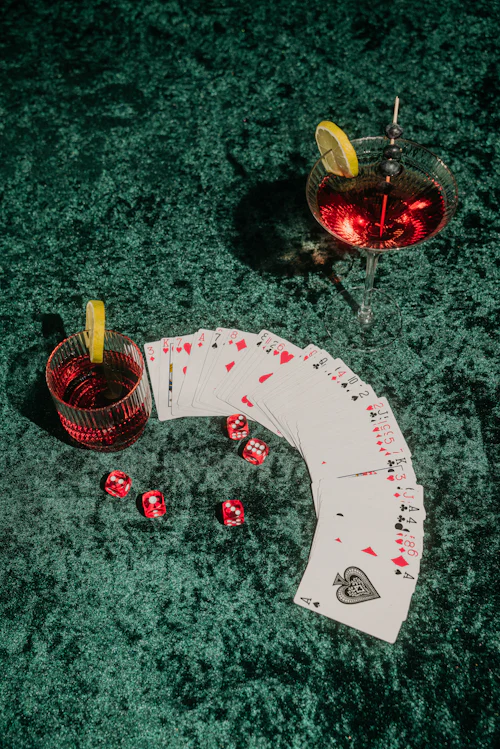
It’s important to remember that not all players exhibit the same tells, which requires adaptability in your reading skills. Some may become overly aggressive when they have a strong hand, while others may be more subtle and stoic. Your ability to adjust your reading of opponents based on their individual styles can turn the tide in your favor, allowing for strategically timed bluffs that maximize your winning potential. The more you play, the better you will become at identifying these patterns and adjusting your approach accordingly.
Additionally, consider the overall game dynamics and social aspects involved. Engaging with your opponents through conversation or light banter can provide insights into their mindset. Often, players reveal more than they intend, offering clues that can be leveraged when deciding to bluff. Mastering the art of reading others requires continuous practice and reflection, but the rewards can be profound, especially in high-stakes situations. Remember, the better you know your opponents, the more effectively you can bluff them.
Conclusion and Resources for Poker Enthusiasts
Mastering the art of bluffing in poker is a multifaceted endeavor that combines psychology, timing, and keen observation. Striking the right balance between confidence and unpredictability is paramount to effectively convincing your opponents of a stronger hand. Recall that bluffing should be employed judiciously, as overusing this tactic may lead to a loss of credibility at the table. Understanding when and how to bluff can be the difference between winning and losing, especially in competitive environments.
For those looking to further enhance their poker abilities, there are numerous resources available that delve deeper into the intricacies of the game. Join communities, participate in forums, and read books by renowned poker players to gain insights and strategies that can elevate your gameplay. By continually learning and practicing, you can refine your bluffing techniques and enjoy the thrill of poker in all its complexities. Engaging with fellow enthusiasts can also offer new perspectives and strategies that you may not have considered.
Whether you’re a beginner or an experienced player, developing your bluffing skills will undoubtedly add an exciting layer to your poker sessions. Remember, the key lies not just in the cards you hold but in the stories you tell through your gameplay. Embrace the art of bluffing, and watch as it transforms your poker experience, making every hand a new opportunity for success. With practice and dedication, you can become a formidable opponent at the poker table, ready to bluff your way to victory.